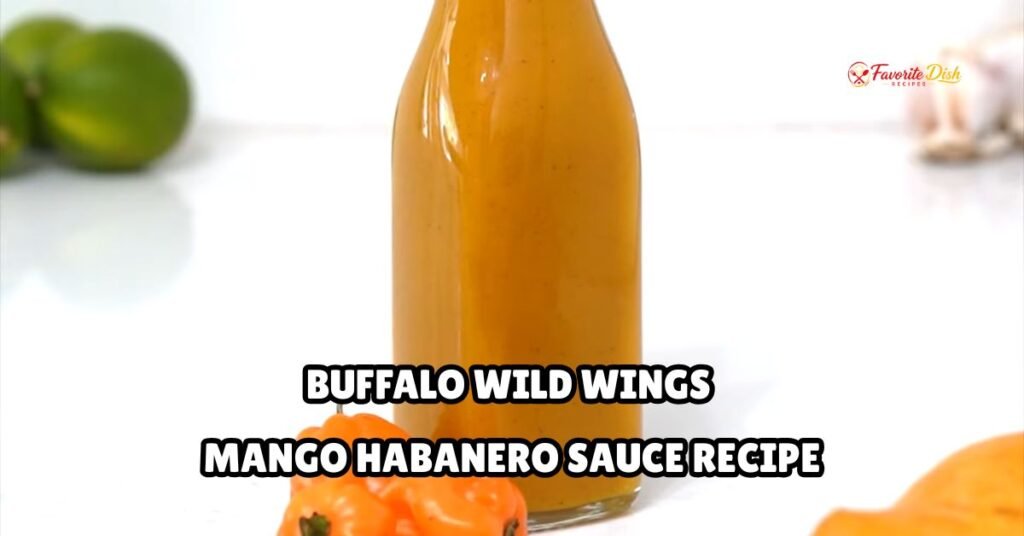
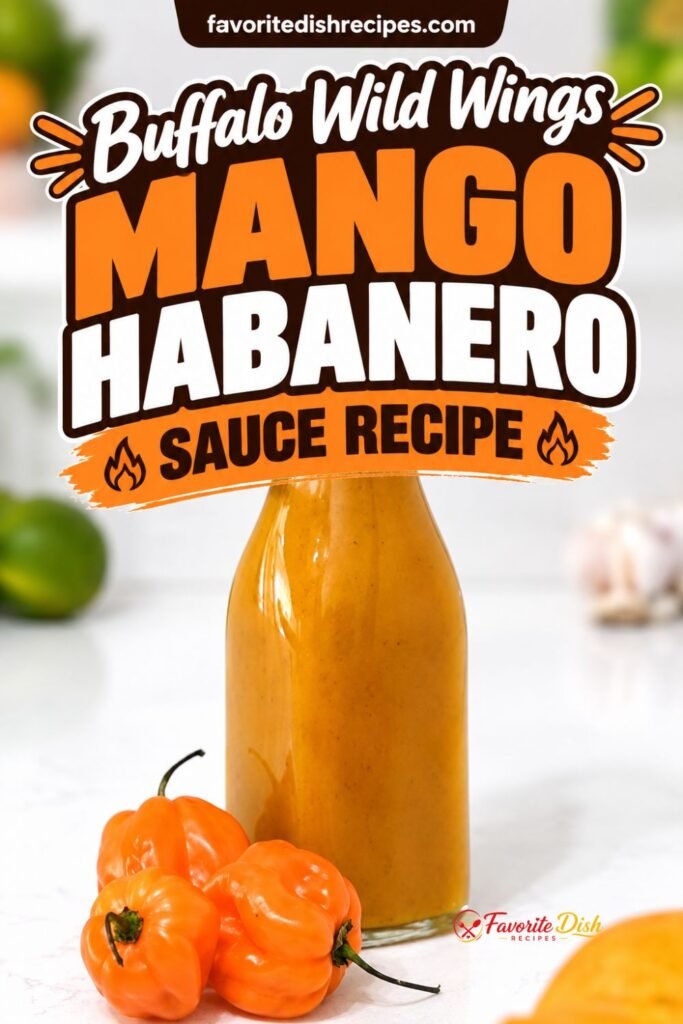
Wing night at my house always starts with Dev and a bottle of orange sauce. That bottle pushed me to build this Buffalo Wild Wings Mango Habanero Sauce Recipe.
Most homemade versions miss the mark. Some end up as sweet jam with a pepper tossed in. Others are all burn and no balance. The sauce I wanted to copy is the mango habanero from Buffalo Wild Wings. That chain is known for its long sauce menu and the Blazin’ Challenge.
Why Homemade Mango Habanero Sauce Doesn’t Match the Original
Store-bought sauce is thicker than fresh fruit can get alone. The label lists corn syrups and mango juice concentrate ahead of the habaneros, plus modified corn starch. Those ingredients give the bottle its cling and shine.
Fresh mango is mostly water. My first pot looked perfect in the pan and slid off a wing like rain off a windshield. Three moves fixed it: a one-third reduction, tomato paste, and a cornstarch slurry.
Heat is the other gap. A fresh orange habanero rates roughly 100,000 to 350,000 Scoville units. The bottle uses some dehydrated pepper, so its heat stays steadier, while fresh peppers vary from pod to pod.
Warm sauce coats a wing evenly. Toss wings in this Buffalo Wild Wings Mango Habanero Sauce Recipe while it is warm, not cold.
How to Control the Heat Level
Cooks argue about the seeds. Some say leaving them in is the only honest copy. I scrape the ribs from two of the four peppers.
The white ribs hold most of the capsaicin. Seeds only pick it up by contact. Removing both drops the burn fast, while the orange flesh keeps its fruity flavor.
Kids and anyone with acid reflux or a sensitive stomach should use fully scraped peppers, or check with their doctor first.
Heat chasers can keep every rib and add a fifth pepper. Contact lens wearers should let someone else handle the peppers, since the oil clings to fingers for hours.
Buffalo Wild Wings Mango Habanero Sauce Ingredients
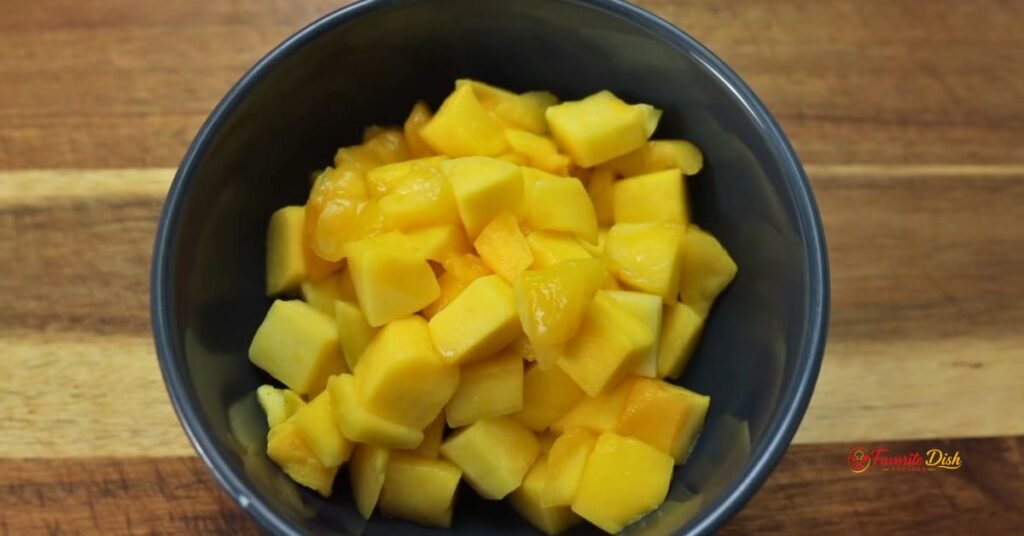
2 cups diced ripe mango (about 2 Ataulfo mangoes): The fruit brings sugar and pulp, which thicken the sauce as it reduces. Pick ones that give slightly near the stem. Kirkland Signature frozen chunks are my winter backup. Thaw and drain frozen chunks, then add 3 minutes to the simmer.
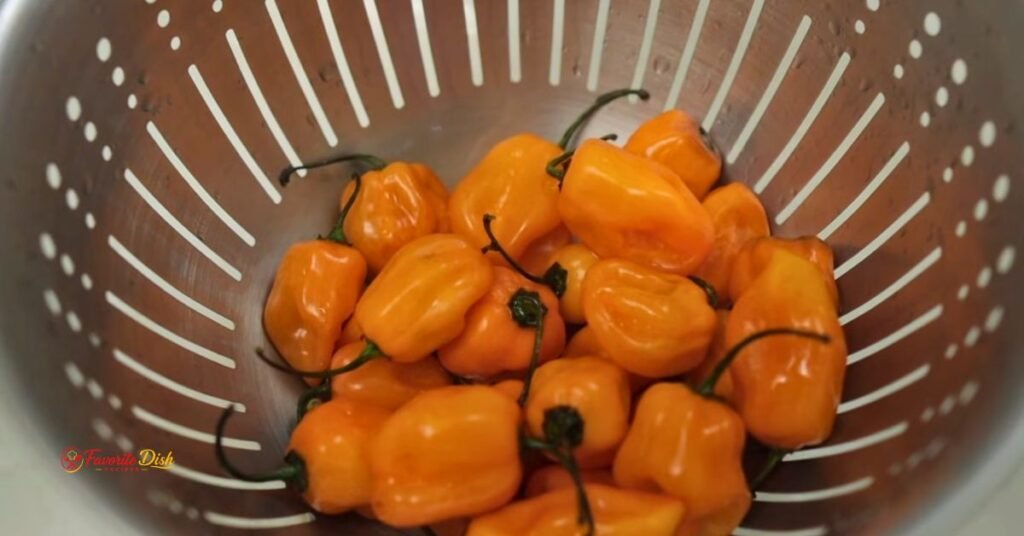
4 fresh orange habanero peppers, stems removed: These carry the heat and the fruity pepper flavor. I buy them loose at a Mexican market near me, where they cost less than clamshell packs. Scrape two for a milder pot. Scotch bonnets work at the same count and run a touch sweeter.
¾ cup chopped white onion (1 small): Onion softens into the body of the sauce and adds a savory base. White onion tastes cleaner than yellow. I grab the bagged ones at Aldi. Vidalia works, though the sauce lands sweeter.
4 garlic cloves, smashed: Garlic adds a sharp savory note that keeps the fruit from reading flat. Smashed cloves cook evenly and blend away. I buy Christopher Ranch heads, which stay firm for weeks.
¾ cup plus 1 tablespoon apple cider vinegar: The acid cuts the sugar and helps preserve the sauce. Bragg is my pick for its clean apple edge. Distilled white vinegar works, but it tastes sharper, so cut the amount by 1 tablespoon.
¼ cup packed light brown sugar: Brown sugar adds molasses depth and helps the sauce turn glossy as it reduces. Domino lives in my pantry. White sugar works in a pinch, though the color runs paler.
2 tablespoons honey: Honey brings shine and a slow sweetness that lingers after the burn. Sue Bee clover honey is what I use. Agave goes in at the same amount for a vegan pot, and the sauce pours slightly thinner.
1 tablespoon tomato paste: The paste adds body and a reddish tint. It also anchors all that sugar with savory depth. I squeeze it from a Cento tube, which keeps for weeks in the fridge.
1 scant teaspoon ground cumin: Cumin gives the sauce an earthy floor so the sweetness has something to sit on. Toast it dry first. McCormick works, and small jars help, since ground cumin fades within a year.
1 teaspoon smoked paprika: Smoked paprika adds color and a faint smoke that stands in for a slow simmer. Spice Islands is my brand. Sweet paprika works, though the smoke disappears.
1 scant teaspoon kosher salt: Salt sharpens the fruit and the vinegar. Diamond Crystal is my choice. Morton is denser, so use 3/4 teaspoon of it.
½ cup water: Water loosens the pot early so the sugars do not scorch before the mango releases its juice. Filtered water from my Brita pitcher works fine.
1 tablespoon avocado oil: The oil carries the aromatics and keeps the onion from sticking. Chosen Foods handles the heat well. Any neutral oil works.
1 teaspoon cornstarch, mixed with 1 tablespoon cold water: This optional slurry gives the sauce a wing-clinging body. Argo is what I keep on hand. Skip it for a pourable drizzle.
Essential Kitchen Equipment
- Nitrile gloves: habanero oil clings to skin
- 3-quart saucepan: wide base reduces evenly
- Small spoon: scrapes the ribs clean
- Blender: vent the lid always
- Fine-mesh strainer: optional, for smoother sauce
- Glass jar: vinegar reacts with metal lids
How to Make Buffalo Wild Wings Mango Habanero Sauce
1. Glove Up and Prep the Habaneros: Put on nitrile gloves before you touch a pepper. Cut off the stems and halve each habanero lengthwise. Scrape the ribs and seeds out of two peppers with a small spoon. Leave the other two as they are.
It was a humid August afternoon, so I ran a box fan in the window. The pepper fumes still made me cough twice.
2. Cube the Mango: Set the mango upright and slice off both cheeks. Score each cheek in a crosshatch without cutting the skin. Push the skin inside out and slice the cubes into a bowl. You need 2 cups. Ripe flesh yields to the knife and drips juice onto the board. A firm mango stays stringy, so plan to strain the sauce later.
3. Soften the Aromatics: Toast the cumin in the dry saucepan over medium heat for 30 seconds. Add the oil and onion, then cook 4 minutes. Stir in the garlic and habaneros and cook another 90 seconds.
Onion should look glassy with no brown edges. Browned garlic leaves bitterness that nothing fixes later, so scrape the pan out and restart.
4. Cook Down the Tomato Paste: Stir in the tomato paste and press it against the pan bottom. Cook for 60 seconds. It darkens from bright red to brick and smells sweet.
5. Add the Rest and Simmer: Add the mango, sugar, honey, vinegar, paprika, salt, and water. Bring to a bubble, then drop to low. Simmer uncovered for 16 minutes, stirring every 2 minutes. The mango slumps into mush and the liquid drops by about a third. A spoon drawn through leaves a trail that closes slowly.
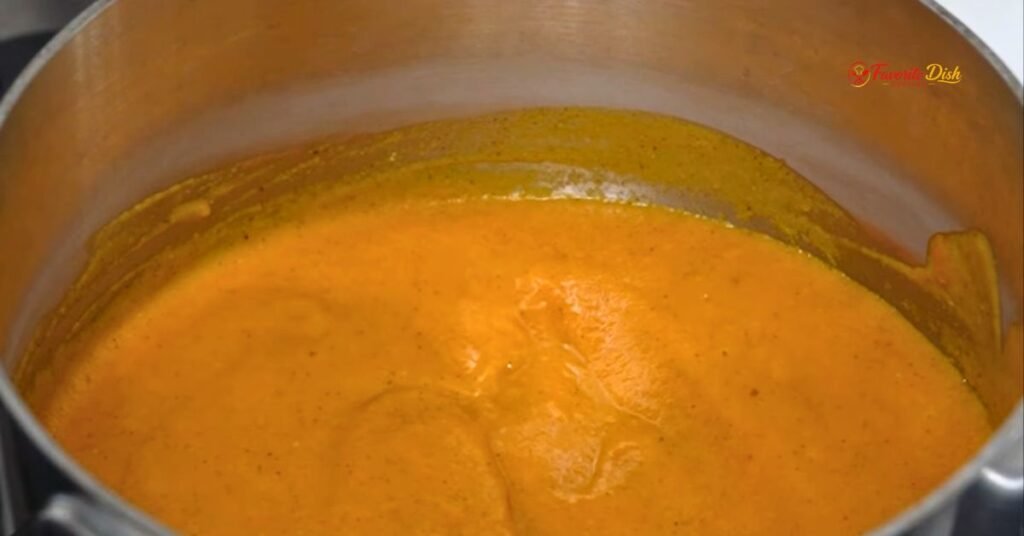
6. Cool, Then Blend: Cool the pot for 10 minutes. Pour into a blender and vent the lid under a folded towel. Blend for 60 seconds until smooth. The color moves from chunky orange to smooth amber. Hot liquid in a sealed jar can blow the lid, so vent it every time.
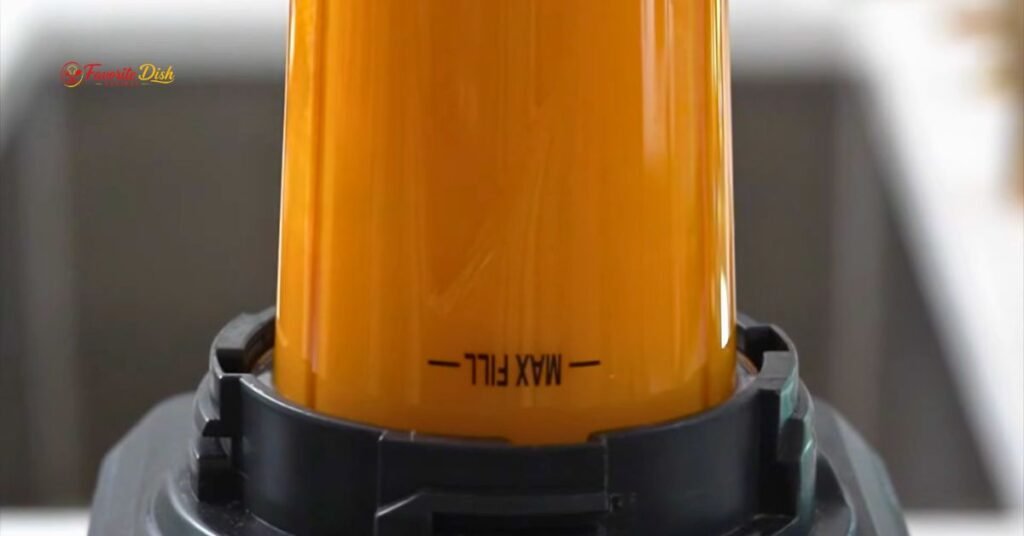
7. Thicken and Season: Return the sauce to the pan on low heat. Whisk in the cornstarch slurry and simmer 2 minutes. Taste, then add a splash of vinegar or a teaspoon of honey to balance. The sauce should coat the back of a spoon and hold a clean line when you drag a finger through it.
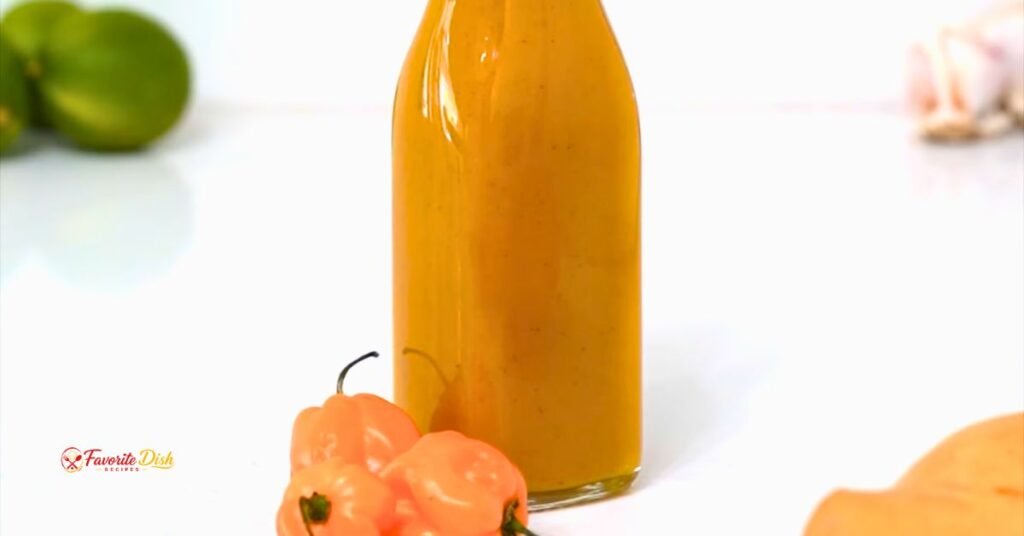
8. Jar and Chill: Pour the sauce into a clean glass jar and cool it uncovered for 30 minutes. Seal and refrigerate for at least 2 hours. It thickens further as it chills, so it looks thin when hot.
Expert Tips for the Best Mango Habanero Sauce
1. Sauce Looks Thin Off the Heat: Hot sauce always pours looser than it sets. Chill a spoonful on a cold plate for 2 minutes to judge the final thickness.
2. Orange Flecks in the Jar: Habanero skin survives blending. Press the sauce through a fine-mesh strainer with a spatula.
3. Sauce Separates on the Shelf: Fruit pulp and oil part ways in the cold. Whisk it briskly, or blend in a pinch of xanthan gum next time.
4. Wings Shed the Sauce: Wet skin repels a glaze. Dry the wings with paper towels first.
5. Heat Feels Too Fierce: Stir in 1 tablespoon honey and 1/4 cup mango puree, then re-blend. Sweetness and pulp dilute the burn.
6. Tastes Grassy: The onion or peppers stayed undercooked. Simmer 5 more minutes over low heat.
Easy Mango Habanero Sauce Variations
Pineapple Habanero: Swap the mango for 2 cups fresh pineapple and cut the honey to 1 tablespoon. The pineapple’s acid sharpens the finish. I brush it on shrimp dish.
Peach Habanero: Use 2 cups peeled ripe peaches in place of the mango. The sauce turns rounder and softer. I spoon it over chicken dish on July evenings.
Smoky Chipotle Mango: Add 2 chipotles in adobo, from a La Costeña can, with the habaneros. The smoke replaces some of the sharp heat. It belongs on beef sandwiches.
Lime and Ginger: Stir in the zest of 1 lime and 1 tablespoon grated ginger during the simmer. The ginger adds a peppery bite. I use this one on fish tacos.
Ghost Pepper Swap: Replace 1 habanero with 1 ghost pepper. The heat climbs sharply, so I reserve it for Dev. Keep the milk close.
Kid-Friendly Mild: Use 1 scraped habanero plus ½ cup diced red bell pepper. The bell pepper keeps the body without the burn. My niece dips baked chicken tenders in it.
What to Serve With Mango Habanero Sauce
Wings are the obvious start. I bake them at 425°F for 45 minutes and toss them in the warm sauce. Celery sticks and blue cheese dressing cool the burn between bites.
Fish tacos come next, with a squeeze of lime and pickled red onion to balance the sweetness. Grilled shrimp works the same way, brushed with sauce in the last 2 minutes.
Sweet potato fries suit dipping. Stir 1 tablespoon into ½ cup mayonnaise for a turkey club spread. Coconut jasmine rice soaks up extra sauce, and a cold lime seltzer keeps my mouth from catching fire.
My full spread starts with a tray of wings and a bowl of jasmine rice. Fish tacos follow on warm tortillas, then sweet potato fries land in the middle of the table. Dev takes the hottest wing, and the celery disappears fast.
How to Store Homemade Mango Habanero Sauce
Pour the cooled sauce into a sealed glass jar. It keeps 3 weeks in the refrigerator, since the vinegar slows spoilage. Use a plastic-lined lid, because vinegar pits bare metal over time.
The sauce thickens in the cold. Warm a portion in a small pan on low, or microwave it at 50% power for 20 seconds, then stir. Fast heat can split it.
For longer storage, freeze it in an ice cube tray. Each cube holds about 2 tablespoons. Move the frozen cubes to a zip bag and use them within 3 months. Thaw overnight in the fridge.
Label the jar with the date. Orange sauce all looks the same after a week.
Creative Ways to Use Leftover Sauce
Leftover sauce works best within the first 2 weeks in the fridge, while it still pours cleanly and tastes bright. Brush 2 tablespoons over a salmon fillet during the last 4 minutes of a 400°F bake. The sugars caramelize into a sticky glaze that clings to the fish.
Stir a tablespoon into ½ cup mayonnaise with a squeeze of lime for a sandwich spread. Eat the mixed spread within 3 days.
Mango Habanero Sauce FAQs
1. Can You Use Dried Habaneros?
Yes. Soak them in hot water for 20 minutes, then use 3 in place of 4 fresh peppers. Dried peppers are more concentrated, so taste the sauce before adding any extra.
2. Can You Make This Sauce in Cast Iron?
Avoid it. Vinegar reacts with bare cast iron and can leave a metallic edge in the sauce. Stainless steel or enameled cookware keeps the flavor clean.
3. Can You Water-Bath Can Mango Habanero Sauce?
I only refrigerate or freeze it. Home canning needs a tested recipe with verified acidity. Check the National Center for Home Food Preservation for approved methods and processing times.
4. Is Mango Habanero Sauce Vegan and Gluten-Free?
Swap the honey for agave and it turns vegan. Every ingredient is naturally gluten-free, though spice blends can carry additives, so read your labels before you cook.
5. Can You Use an Immersion Blender?
Yes. Cool the pot for 10 minutes, then blend right in the pan for about 90 seconds. Tilt the pot slightly to keep the blade submerged and the splatter low.
6. How Much Sauce Do You Need for Wings?
Plan on about ¼ cup per pound. Toss in a large bowl so every wing gets covered. Add a spoonful more only where wings look dry.
7. Can You Use Canned Mango Pulp?
Yes, in place of the fresh mango. Cut the brown sugar in half, since canned pulp is usually sweetened. Taste before the final 2-minute simmer and adjust.
8. Will Mango Habanero Sauce Stain Containers?
Yes. Tomato paste and paprika tint plastic orange for good. Glass jars rinse clean, so store the sauce there and keep a dedicated spatula for it.
Buffalo Wild Wings Mango Habanero Sauce Recipe
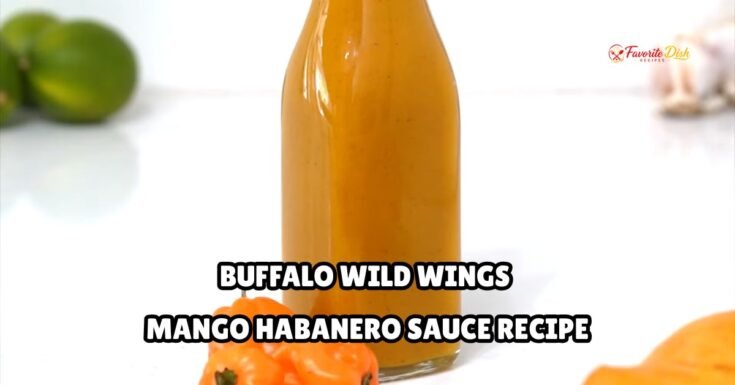
Buffalo Wild Wings Mango Habanero Sauce Recipe with fresh mango, habaneros, and a glossy finish perfect for wings, tacos, and dipping.
Ingredients
- 2 cups diced ripe mango
- 4 fresh orange habanero peppers, stems removed
- ¾ cup chopped white onion
- 4 garlic cloves, smashed
- ¾ cup plus 1 tablespoon apple cider vinegar
- ¼ cup packed light brown sugar
- 2 tablespoons honey
- 1 tablespoon tomato paste
- 1 scant teaspoon ground cumin
- 1 teaspoon smoked paprika
- 1 scant teaspoon kosher salt
- ½ cup water
- 1 tablespoon avocado oil
- 1 teaspoon cornstarch mixed with 1 tablespoon cold water
Instructions
- Put on nitrile gloves before you touch a pepper. Cut off the stems and halve each habanero lengthwise. Scrape the ribs and seeds out of two peppers with a small spoon. Leave the other two as they are. It was a humid August afternoon, so I ran a box fan in the window. The pepper fumes still made me cough twice.
- Set the mango upright and slice off both cheeks. Score each cheek in a crosshatch without cutting the skin. Push the skin inside out and slice the cubes into a bowl. You need 2 cups. Ripe flesh yields to the knife and drips juice onto the board. A firm mango stays stringy, so plan to strain the sauce later
- Toast the cumin in the dry saucepan over medium heat for 30 seconds. Add the oil and onion, then cook for 4 minutes. Stir in the garlic and habaneros and cook for another 90 seconds. Onions should look glassy with no brown edges. Browned garlic leaves bitterness that nothing fixes later, so scrape the pan out and restart.
- Stir in the tomato paste and press it against the pan bottom. Cook for 60 seconds. It darkens from bright red to brick and smells sweet.
- Add the mango, sugar, honey, vinegar, paprika, salt, and water. Bring to a bubble, then drop to low. Simmer uncovered for 16 minutes, stirring every 2 minutes. The mango slumps into mush and the liquid drops by about a third. A spoon drawn through leaves a trail that closes slowly.
- Cool the pot for 10 minutes. Pour into a blender and vent the lid under a folded towel. Blend for 60 seconds until smooth. The color moves from chunky orange to smooth amber. Hot liquid in a sealed jar can blow the lid, so vent it every time.
- Return the sauce to the pan on low heat. Whisk in the cornstarch slurry and simmer for 2 minutes. Taste, then add a splash of vinegar or a teaspoon of honey to balance. The sauce should coat the back of a spoon and hold a clean line when you drag a finger through it.
- Pour the sauce into a clean glass jar and cool it uncovered for 30 minutes. Seal and refrigerate for at least 2 hours. It thickens further as it chills, so it looks thin when hot.
Nutrition Information:
Yield:
16Serving Size:
1Amount Per Serving: Calories: 45
Dev finished the last jar in two weeks and asked for a hotter batch. The ribs now stay in his peppers, and the fruit still lands before the burn.
Scrape two peppers on the first pot and adjust from there. This Buffalo Wild Wings Mango Habanero Sauce Recipe responds to that one change more than any other. Keep milk in the fridge and gloves by the stove.