
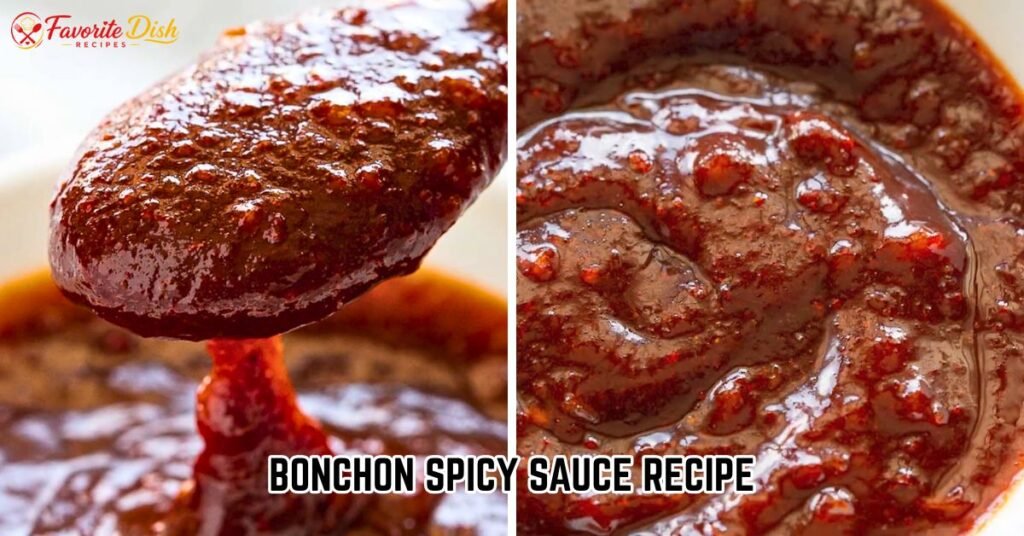
Bonchon Spicy Sauce Recipe has a flavor you won’t forget. It is sticky, slightly sweet, deeply savory, and has a gradual heat. This sauce includes gochujang, a Korean chili paste that adds its rich taste. The sauce clings to the crispy chicken without making it soggy, which is why Bonchon’s wings are so tasty.
My first attempt at this sauce did not work well. I added cold gochujang to a hot pan and ended up with burned lumps stuck at the bottom. The order in which ingredients are added is important. By my fifth batch, I had balanced the heat and sweetness, and the sauce coated my wings just like at the restaurant.
Each step in this recipe is important, and the final sauce should taste sweet, salty, spicy, and slightly tangy. Taste as you cook to know when it’s just right.
Why Bonchon Sauce Is Different from Regular Hot Sauce
Most hot sauces are thin and full of vinegar. They often slide off food and provide a quick burst of heat that dissipates quickly. This sauce is different. Gochujang is a fermented Korean chilli paste. The heat builds slowly and settles in the back of your throat instead of hitting your tongue right away.
The fermentation gives it a rich flavor that plain chilli powder or hot sauce can’t match. You should brush this sauce on food rather than use it for dipping. The honey and soy sauce turn into a sticky, caramelized coating that clings to your food.
Add the sesame oil at the end, off the heat, to preserve its nutty, fragrant aroma. You can find gochujang in small red tubs or squeeze tubes, usually in the international aisle of large grocery stores or at Korean or Asian markets.
CJ’s Hashandle and Bibigo are two common brands in American stores, each with a slightly different taste. CJ Haechandle is spicier, while Bibigo is milder and a bit sweeter. Start with either brand, taste your sauce as you go, and add more gochujang for extra heat. Once you open it, store gochujang in the fridge. It keeps well without losing much flavor.
What You Need to Know Before You Start
Bonchon is known for its two-coat method, which is important for flavor, not just appearance. The first layer of sauce goes on immediately after frying the chicken while it is still hot. This initial coat sticks to the crust and keeps the flavor in.
The second coat is added right before serving, giving the chicken a fresh, shiny look. If you skip either coat, the sauce won’t stick properly, either soaking in too much or not adhering at all.
Honey is key to making this coating work effectively. Honey contains a lot of water and natural sugars. When honey is applied to the hot, crispy chicken, the water evaporates quickly, leaving behind the sugars that attach to the crust. This is why this sauce stays on the chicken better than a thin, watery hot sauce.
If you place one sauced wing next to a wing dipped in thin buffalo sauce, you’ll see the difference. After a few minutes, the Buffalo wing will have sauce pooled on the plate, while the Bonchon wing will maintain a shiny, sticky layer with little dripping underneath.
Why Sauce Consistency Makes or Breaks the Coating
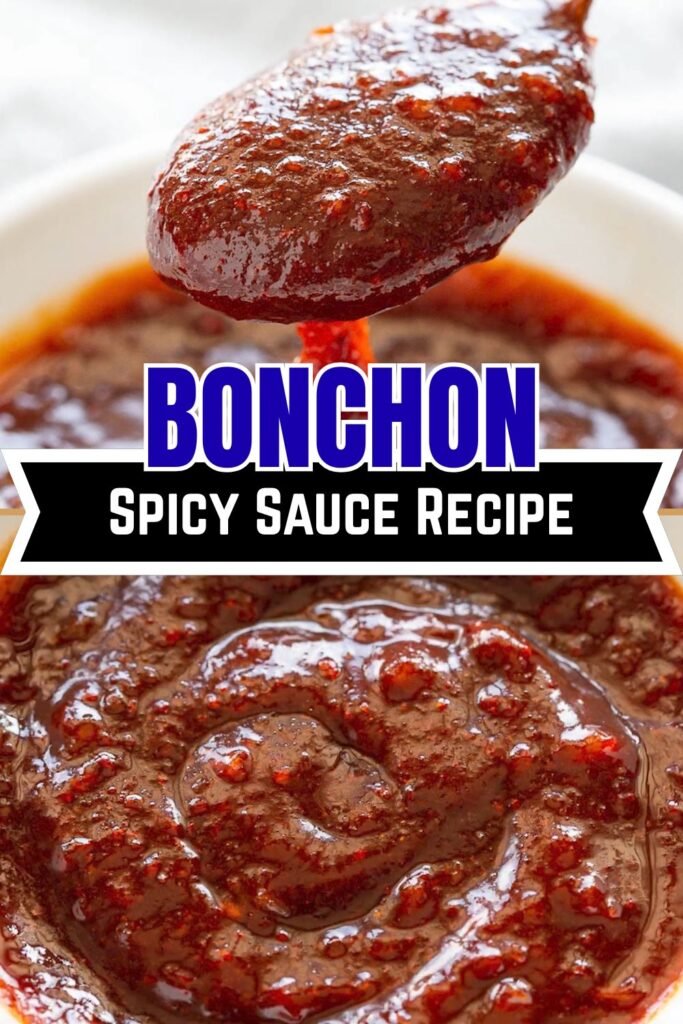
Getting the right sauce consistency is important. If the sauce is too thin, it will pool at the bottom. If it’s too thick, it will become gummy and ruin the coating. The best sauce covers a spoon evenly and holds a line before it fills back in.
If your sauce is still too thin after 8 minutes of simmering, cook it for another 2-3 minutes. If it’s too thick, add warm water a teaspoon at a time until it’s just right. Remember that the sauce will continue to thicken after you take it off the heat, so it should be slightly thinner than you want it to be when it’s hot.
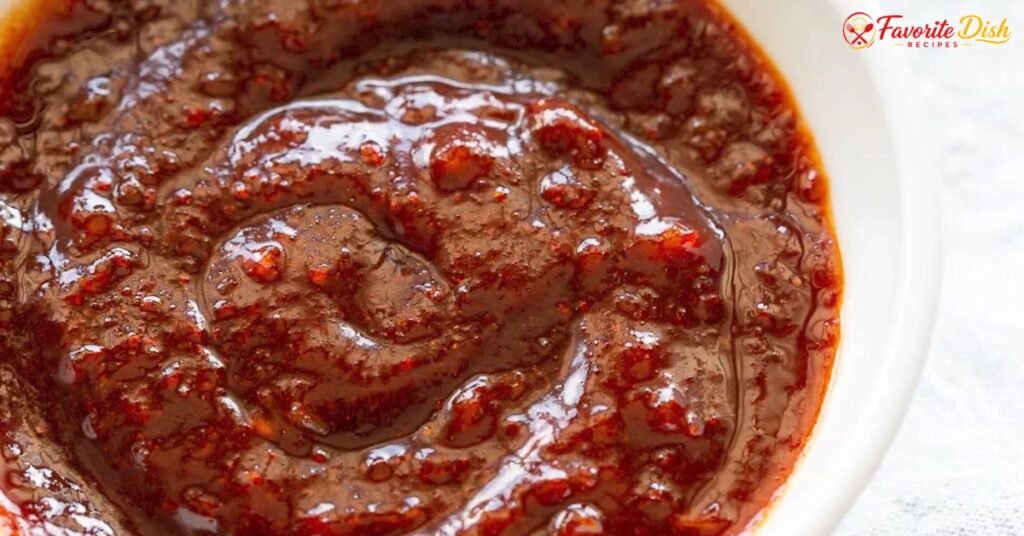
The finished Bonchon-style sauce should be a deep brick red color and glossy. If the color is dull, it means it’s overcooked. If it’s orange, it has too much water or not enough gochujang, both of which you can fix.
Different dishes need different sauce consistencies. Crispy fried wings need a sauce that holds a line for two seconds. Stir-fries might need some water to thin them. Noodle bowls can use a splash of pasta water, while grilled skewers require a thick glaze. You can make one thick batch and adjust it for each dish as needed.
What Is Gochujang?
Gochujang is a spicy Korean chilli paste made from red chilli peppers, fermented soybeans, glutinous rice, and salt. It is usually fermented in clay pots. The flavor is spicy, sweet, savory, and slightly funky.
Unlike gochugaru, which is ground dried chilli pepper, gochujang comes in red tubs or squeeze tubes. Popular brands include CJ Haechandle and Bibigo. Once you open it, it can last over a year in the fridge.
Gochujang has about 100 to 200 calories per 100 grams, and most recipes use around 60 grams. If you want to reduce sugar, you can use less honey without significantly changing the flavor. The heat levels range from 1 to 5, with American stores usually carrying levels 2 or 3.
Ingredients for Bonchon Spicy Sauce
3 tbsp Gochujang (Korean chili paste): This is the main ingredient. It is fermented, slightly sweet, savory, and moderately spicy. For a milder sauce, use 2 tablespoons, then taste and add more if needed.
2 tbsp low-sodium soy sauce: This adds saltiness and depth. Low-sodium soy sauce gives you more control over saltiness, since regular soy sauce can make the sauce too salty. Tamari is a gluten-free option.
2 tbsp honey: This balances the heat from the Gochujang and helps create a sticky glaze when cooked. You can substitute with pure maple syrup for a different sweetness.
1 tbsp rice vinegar: This adds brightness and helps cut through the richness of the other ingredients. You can replace it with apple cider vinegar, using the same amount.
1 tbsp toasted sesame oil: Add this off the heat after cooking the sauce. Toasted sesame oil has a stronger, nuttier aroma than light sesame oil. Do not skip this ingredient.
4 cloves garlic, finely minced or grated: Cook this in the sauce briefly to reduce its raw sharpness. Fresh garlic gives much better flavor than garlic powder.
1 tsp fresh ginger, finely grated: This adds warmth and a hint of spice to balance the gochujang. You can use ¼ teaspoon of ground ginger as a substitute.
1 tsp brown sugar: This small amount enhances the caramel notes of the honey and helps the sauce stick. White sugar is an acceptable alternative.
1 tsp toasted sesame seeds: Stir this in at the end for texture and visual appeal. This is optional but adds a nice nutty flavor.
½ tsp red pepper flakes (optional): Use this for extra heat beyond the gochujang. Leave it out if you prefer a milder sauce.
2 tbsp water: This helps loosen the sauce to achieve the right consistency. If the sauce becomes too thick, add more water a teaspoon at a time.
Tools I Recommend for This Recipe
- Use a small saucepan, about 1 to 2 quarts, to have better control while simmering.
- A silicone spatula or whisk helps keep the sauce moving, preventing it from burning at the bottom.
- A microplane or fine grater is useful for making garlic and ginger into a smooth paste rather than a rough chop.
- A pastry brush or silicone brush works well for applying the sauce to the chicken in two layers.
- Store any leftover sauce in a small jar with a lid in the refrigerator.
How to Make Bonchon Spicy Sauce
Mix the base ingredients: In a small saucepan, whisk together gochujang, soy sauce, honey, rice vinegar, brown sugar, and water until smooth. Mixing well first helps avoid clumps.
Add garlic and ginger: Stir in minced garlic, grated ginger, and red pepper flakes for heat. These will cook in the sauce, keeping the flavors fresh.
Simmer gently: Heat the pan over medium heat and bring the sauce to a gentle simmer, stirring often. Let it simmer for 6 to 8 minutes until it thickens and coats the back of a spoon.
Check the consistency: Dip a clean spoon into the sauce and run your finger across the back. The sauce should leave a clean line for a moment before filling back in. If it’s not ready, let it simmer for a couple more minutes. If it’s too thick, add warm water, one teaspoon at a time.
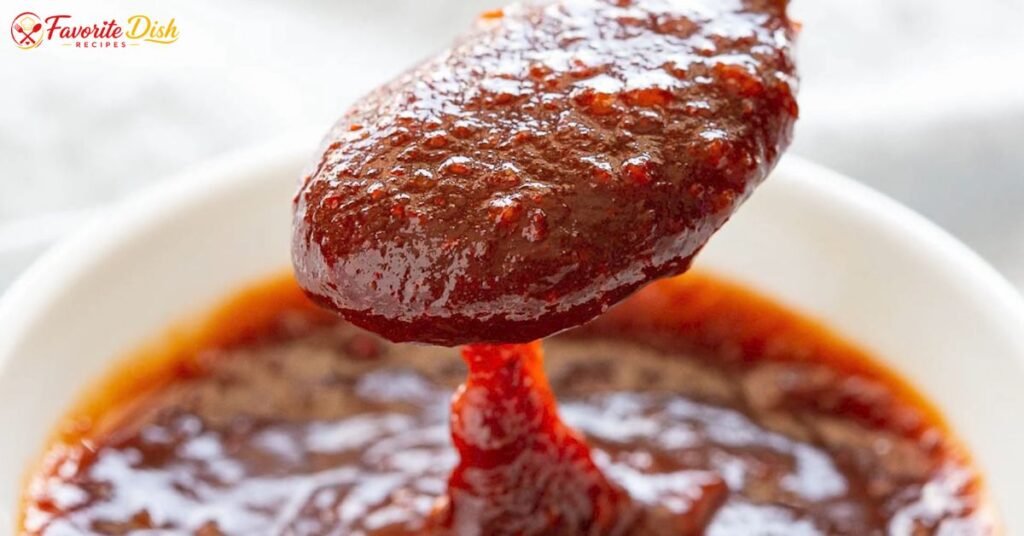
Finish and rest: Remove the pan from heat. Stir in sesame oil and toasted sesame seeds. Let the sauce sit for about 2 minutes to thicken more.
Apply to chicken in two coats: Brush a layer of sauce on hot chicken right after it comes out of the fryer or air fryer. Let it sit for about a minute so the first coat can set. Brush on a second coat right before serving for a shiny finish.
Tips, Tricks, and Common Mistakes to Avoid
Adjusting Gochujang: Start with a small amount of gochujang. Different brands can be hotter than others. After simmering for 4 minutes, taste the sauce. If it’s not spicy enough, add more gochujang. It’s easy to increase the heat, but hard to reduce it.
Managing Heat: Keep the heat low. The honey in the sauce can burn quickly. Medium heat will help you get a gentle simmer. If you hear loud sizzling, lower the heat. Always add sesame oil after you remove the pan from the heat. Cooking it can burn off its special aroma. Take the pan off the burner first, then stir in the sesame oil.
Timing the Sauce: Don’t sauce the chicken too early. Adding sauce too long before serving will soften the crust. Apply the sauce just before serving.
Balancing Flavors: Taste the sauce to make sure it is balanced. It should have sweet, salty, spicy, and slightly tangy flavors in equal parts. If the mixture is too sweet, add a splash of rice vinegar and a little honey. If it is too sharp or too thick, add warm water one teaspoon at a time.
Delicious Variations on Bonchon Spicy Sauce Recipe
Mild Version: Use 1.5 tablespoons of gochujang and 3 tablespoons of honey. This makes the sauce sweeter and balances the heat while keeping the gochujang’s rich flavor.
Extra Spicy Version: Add 1 teaspoon of gochugaru (Korean red pepper flakes) with the regular gochujang and use a full teaspoon of red pepper flakes. The gochugaru adds sharper heat, complementing the deeper heat of the gochujang.
Garlic-Forward Version: Increase the garlic to 8 cloves and add 1 teaspoon of garlic powder along with the fresh garlic. This version tastes more like Bonchon’s soy garlic sauce but includes heat from the spicy base.
Citrus Glaze Version: Mix in 1 tablespoon of fresh orange juice and 1 teaspoon of orange zest. The citrus adds a bright, fruity flavor that pairs well with shrimp and fish.
Vegan Version: Replace honey with the same amount of maple syrup or agave. The taste will be slightly different, but the texture and stickiness remain the same. The rest of the recipe is already vegan.
What to Serve With
This Bonchon spicy sauce recipe is perfect for fried chicken, especially double-fried crispy wings or drumsticks. Toss them in the glaze for the best Bonchon experience at home. You can also use it on air-fried chicken thighs, where the sauce caramelizes nicely on the crispy skin.
Apart from chicken, this sauce is great as a stir-fry sauce for rice or noodles, topped with sliced scallions. You can make a satisfying meal by spooning it over a bowl of steamed jasmine rice and crispy tofu. Drizzle the sauce over roasted cauliflower and add crushed peanuts for a delicious vegetarian dish.
It also works well as a dipping sauce for crispy spring rolls, dumplings, or fried wontons; thin it with a bit of water and serve in small bowls. I’ve also brushed it on salmon fillets during the last two minutes of broiling for a sticky, spicy glaze that goes well with steamed broccoli and white rice.
Storage Tips
Fridge: Store the cooled sauce in a small jar or airtight container. It lasts in the refrigerator for up to 3 weeks. The sauce will get thicker in the cold. Let it sit at room temperature for 10 minutes before using, or warm it briefly in a small saucepan with a little water over low heat.
Freezer: This sauce does not freeze well. The texture can change and become grainy when thawed. Since it takes less than 15 minutes to make fresh and lasts for 3 weeks in the fridge, it’s better to make a new batch instead.
Reheating: To reheat, warm the sauce gently over low heat in a small saucepan. Stir constantly, adding a teaspoon of water if it’s too thick. You can also use a microwave in 10-second bursts, stirring in between. Avoid using high heat, as it can burn the honey and make the sauce taste bitter.
Bonchon Spicy Sauce Recipe
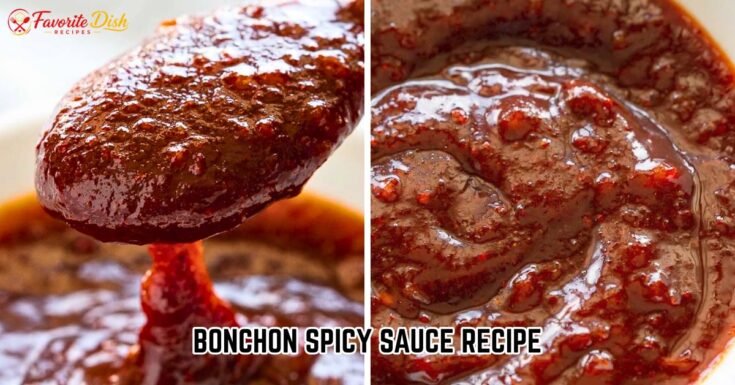
Make the sticky, sweet-spicy Bonchon spicy sauce recipe at home in 13 minutes. Just gochujang, soy sauce, honey, and garlic — goes on everything.
Ingredients
- 3 tbsp gochujang
- 2 tbsp low-sodium soy sauce
- 2 tbsp honey
- 1 tbsp rice vinegar
- 1 tbsp toasted sesame oil
- 4 cloves garlic, finely minced
- 1 tsp fresh ginger, grated
- 1 tsp brown sugar
- 1 tsp sesame seeds (toasted)
- ½ tsp red pepper flakes (optional)
- 2 tbsp water
Instructions
- In a small saucepan, whisk together the gochujang, soy sauce, honey, rice vinegar, brown sugar, and water until completely smooth. Getting this smooth before turning on the heat keeps the gochujang from clumping later.
- Stir in the minced garlic, grated ginger, and red pepper flakes, in case you're using them. These cook right in the sauce instead of getting sautéed separately, which keeps things quick and gives a clean, fresh garlic flavor instead of a roasted one.
- Set the pan over medium heat and bring the sauce to a gentle simmer, stirring often. Keep it at small, quiet bubbles rather than a hard boil, and let it cook for 6 to 8 minutes, until it thickens slightly and coats the back of a spoon.
- Dip a clean spoon into the sauce, then drag a finger across the back of it. The sauce should hold a clean line for a second before it slowly fills back in. Not there yet? Simmer for a couple more minutes. Too thick? Whisk in warm water, a teaspoon at a time.
- Take the pan off the heat, then stir in the sesame oil and toasted sesame seeds. Let the sauce sit for about 2 minutes so it can settle into its final, glossy thickness.
- Brush a layer of sauce onto hot chicken right when it comes out of the fryer or air fryer. Let it sit for about a minute so that the first coat sets into the crust. Right before serving, brush on a second coat for a shiny, fresh finish.
Nutrition Information:
Yield:
4Serving Size:
1Amount Per Serving: Calories: 90
This Bonchon Spicy Sauce Recipe is quick to make and captures the best flavors: sticky, sweet, spicy, and savory. You can make it in under 15 minutes. Most people forget to apply the sauce in two layers. This step is important because it helps the chicken get fully glazed instead of just having sauce on top.