

Turkish Bazlama Bread Recipe testing took over my kitchen counter for most of a rainy October, the same month my downstairs neighbor complained twice about the smell drifting up through the vents.
I picked up the idea after a trip to Istanbul with my husband, where we stopped into a bakery near our rental two mornings in a row before a bus tour of the old city.
The woman behind the counter did not speak much English, and I did not speak much Turkish, so most of our exchange happened through pointing and nodding.
I bought two rounds each morning and ate them standing on the sidewalk before we caught the bus. Back home, I could not find anywhere nearby selling anything close, so I started testing on my own, using a cast iron skillet that used to belong to my mother-in-law.
Why This Homemade Bazlama Turns Out So Soft
Bazlama is a type of bread from Turkey. It cooks on a special metal griddle called a sac, which sits over wood coals. At home, you can use a cast iron skillet, which works almost as well.
What makes bazlama different from pita or naan is the yogurt mixed into the dough. Yogurt does three important things: it adds fat that keeps the bread soft for days, it gives a slight tang that balances the plain flour taste, and its live cultures add more depth than just using water.
The dough stays rich but light. A single rise of about an hour gives it enough lift. After dividing the dough into six pieces, letting it rest for fifteen minutes relaxes the gluten, making it easier to roll out.
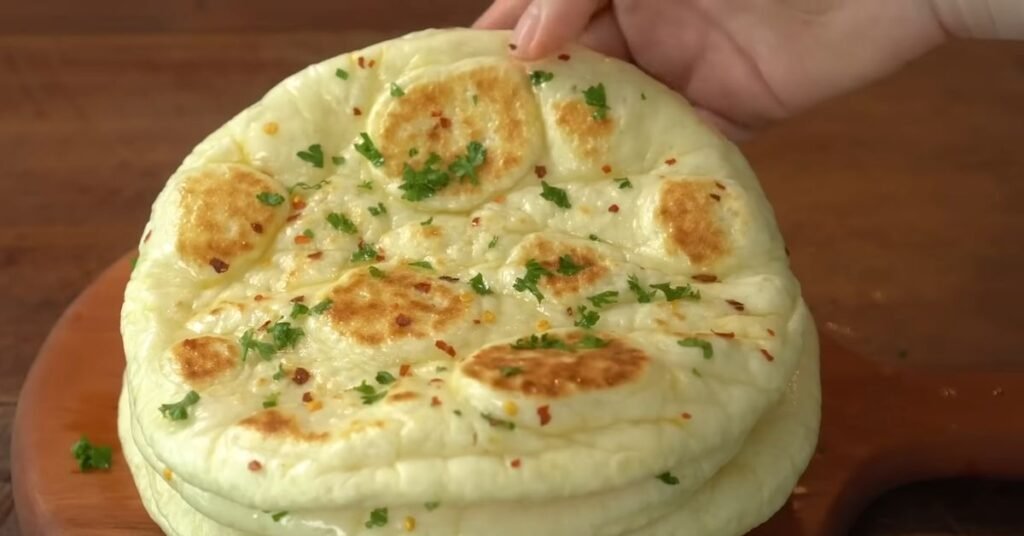
The skillet does the rest. The high, dry heat chars the outside in small spots while keeping steam inside. This steam puffs the bread into a soft pocket.
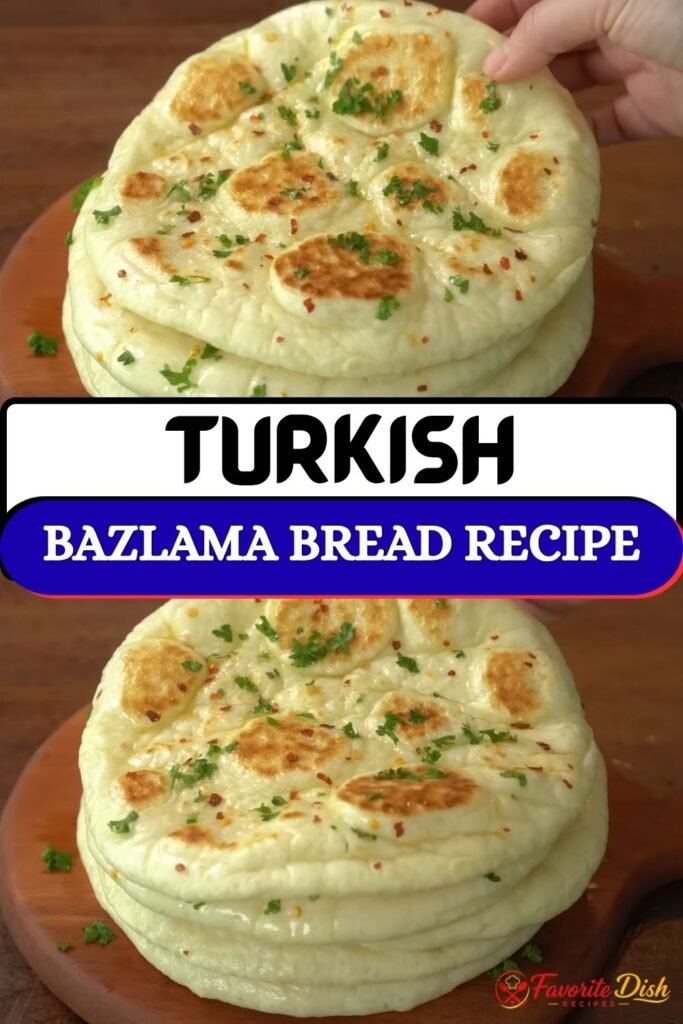
What to Know Before Making Turkish Bazlama
Water temperature is very important for this dough. Aim for a temperature between 105°F and 110°F. This is warm enough to activate the yeast but not too hot; if it reaches 115°F, the yeast can break down.
If you don’t have a thermometer, test the temperature with your wrist. It should feel pleasantly warm, like a baby bottle, not like bathwater. Take the yogurt out of the fridge about thirty minutes before you mix it.
Cold yogurt can lower the dough temperature too much and slow down the rise more than you might think. Make sure the skillet is hot before you add the first round of dough. Heat it for at least five minutes on medium-high.
To check if the skillet is ready, flick a few drops of water onto the surface. The drops should dance and disappear within two seconds. If they sit and steam, the pan needs more time. If the water spits and vanishes instantly, the pan is too hot.
Ingredients for Turkish Bazlama Bread Recipe
3 cups all-purpose flour, plus more for dusting: This builds the entire structure of the dough while keeping the crumb tender rather than chewy, which is what bread flour would give instead.
I reach for a bag of King Arthur from the baking aisle, since it measures consistently between bags. Sift it first to break up any lumps that formed during storage.
1 cup plain whole-milk yogurt: This is the ingredient that defines bazlama, adding fat that keeps the crumb soft for days after baking instead of drying out like a plain water dough. Fage full-fat plain is what I keep stocked in my fridge for this.
Thin 2 tablespoons of Greek yogurt with water in a pinch, and it works nearly the same.
½ cup warm water (about 110°F): This wakes the yeast without stressing it, and going past 115°F starts to damage the yeast before it ever gets into the dough. I run tap water through a small kitchen thermometer rather than guessing by feel, since a few degrees either way changes how the rise goes.
2 ¼ tsp instant yeast (1 packet): Instant yeast goes directly into the dry flour without any separate blooming step, which saves time compared to active dry. I keep a jar of Red Star instant yeast in the freezer, where it stays potent far longer than the packets sitting in a pantry drawer.
Active dry yeast also works here, though it needs ten minutes blooming in the warm water first.
1 tsp sugar: This feeds the yeast during the rise and helps the dough climb steadily rather than in fits and starts. Plain granulated sugar from any bag does the job without needing anything special.
Honey works in the same amount for anyone who prefers it.
1 ½ tsp fine sea salt: Salt adds flavor to what would otherwise taste like plain flour and water, and it also slows the yeast slightly, which helps the dough develop more structure during the rise.
I use a small tin of Morton fine sea salt kept next to the stove for baking specifically. Mix it into the flour rather than letting it touch the yeast water directly, since direct contact with concentrated salt can damage the yeast.
2 tbsp olive oil: This adds richness and keeps the dough supple enough to roll out without tearing at the edges. I use a mid-range bottle of California Olive Ranch rather than saving my good finishing oil for this.
A neutral oil works in a pinch, though it skips the faint savory note olive oil brings to the finished bread.
1 tbsp melted butter (for brushing, optional): Brushed onto the bread right off the hot skillet, this adds shine and a buttery smell as the stack cools under the towel. Plain salted butter, whatever stick happens to be in the fridge, works fine here.
Olive oil makes a fine stand-in for anyone skipping dairy.
Essential Equipment for Skillet-Cooked Bazlama
- Large mixing bowl: wide enough to knead directly inside.
- Bench scraper: divides dough without deflating it.
- Rolling pin: a light wooden one works best.
- Cast iron skillet: the key to real char.
- Clean kitchen towel: keeps rounds soft after cooking.
- Digital kitchen scale: optional, helps even portions.
How to Make Turkish Bazlama Bread Recipe
Wake the Yeast: In a small bowl, mix warm water, sugar, and yeast. Let it sit for five to ten minutes until it becomes foamy. If it doesn’t foam, the yeast is dead. Start over with a fresh packet.
Mix the Dough: In a large bowl, whisk together flour and salt. Add the yeast mixture, yogurt, and olive oil. Stir with a wooden spoon until a rough, shaggy dough forms. It will look messy, which is fine.
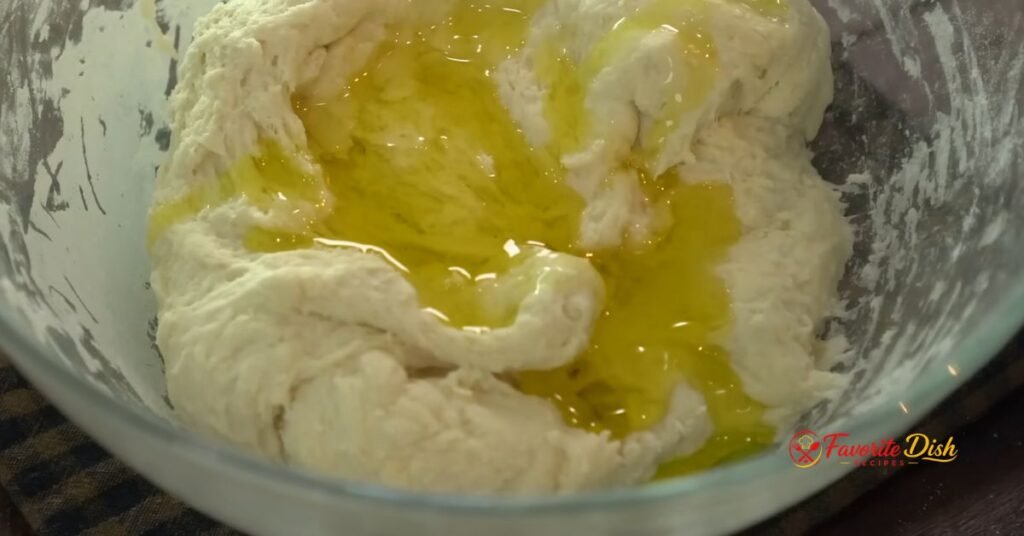
Knead Until Smooth: Turn the dough out onto a lightly floured counter. Knead by hand for eight to ten minutes or use a stand mixer with a dough hook for five minutes. The dough should be smooth and slightly tacky. You should be able to stretch a small piece thin without it tearing.
Let It Rise: Place the dough in a lightly oiled bowl and cover it with a damp towel. Leave it in a warm place for about an hour, until it doubles in size. If your kitchen is cool, it may take up to ninety minutes. Press a finger into the dough gently; if the indent stays, it’s ready.
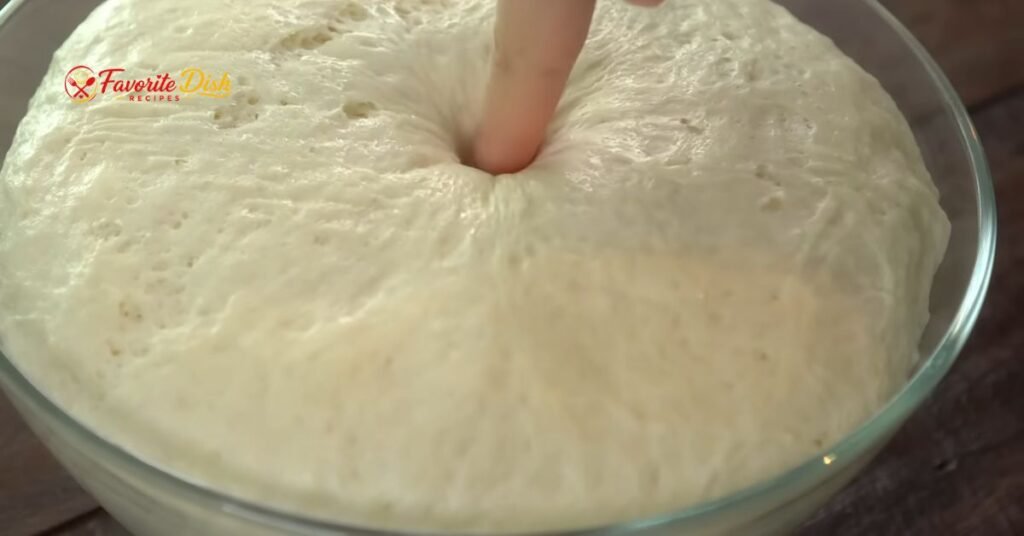
Divide and Rest: Punch down the dough and divide it into six equal pieces, about 110 grams each. Roll each piece into a tight ball, tucking the edges under. Cover the balls with a towel and let them rest for fifteen minutes. This helps relax the gluten for easier rolling.
Roll Each Round: Lightly dust the counter with flour. Roll each ball into a round, about a quarter-inch thick and six inches wide. Be careful not to roll it too thin, as it will dry out instead of puffing in the skillet.
Heat the Skillet: Preheat a dry cast iron skillet over medium-high heat for five minutes. Test the heat by flicking water onto the surface; it should dance and evaporate within two seconds. If the pan isn’t hot enough, the bread will dry out.
Cook Each Round: Place one round in the hot skillet and cook for about two minutes, until bubbles appear and the underside turns dark gold. Flip and cook the other side for the same amount of time, gently pressing the edges with a spatula to help it puff. Each round takes about four to five minutes total.
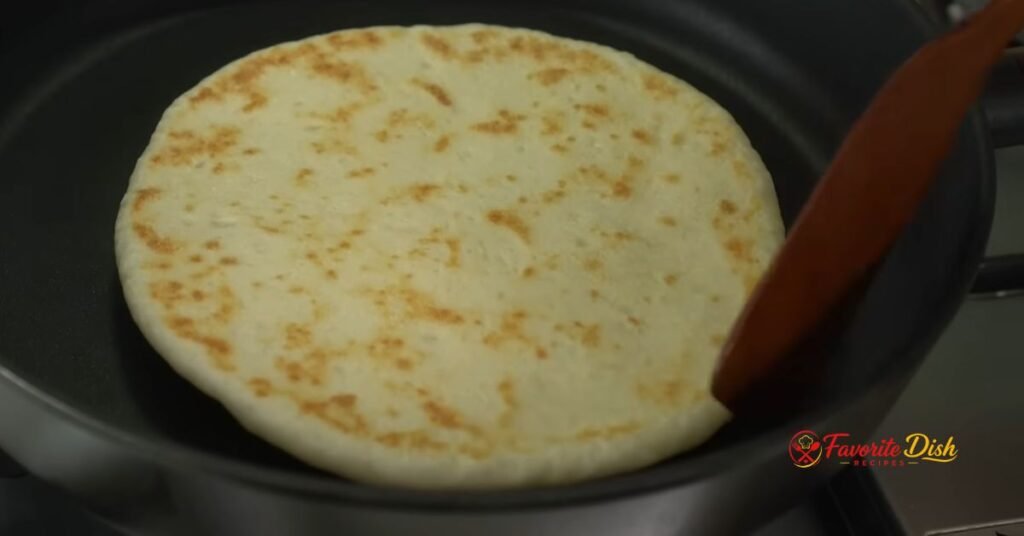
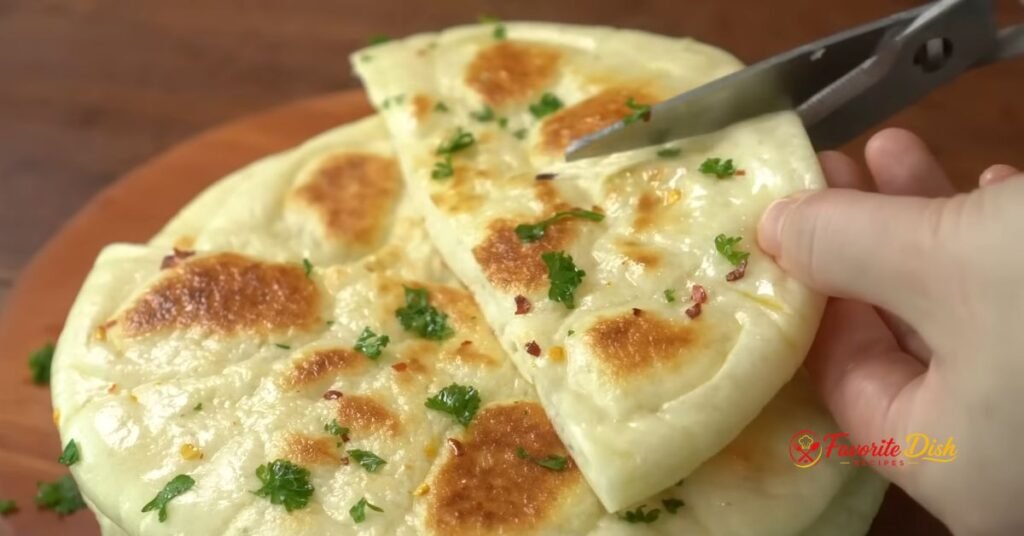
Stack and Steam: Brush each cooked round with melted butter right after it comes off the skillet. Stack the rounds inside a folded kitchen towel. The steam will keep them soft and bendable until you finish cooking all of them.
How to Fix Common Bazlama Problems
Bread refuses to puff: the skillet was not hot enough, or the round got rolled too thin. Turn the heat up for the next round and roll it slightly thicker, then press gently on the edges with a spatula while it cooks to help trap steam inside.
Bread turns out dry: it likely spent too long in the pan, or the yogurt was low-fat instead of whole milk. Trim thirty seconds off the cook time per side and check the yogurt label before the next batch.
Bread comes out dense: the yeast never fully activated. The foam test in step one, ten minutes until bubbly on top, is not optional. Dead yeast produces flat, dense bread every time, no exceptions.
Dough sticks to your hands: the yogurt ran thin, or the flour measurement came up short. Work in a tablespoon of flour at a time during kneading until the dough releases cleanly but still feels slightly tacky.
Bread turns leathery within minutes of coming off the pan: the towel-stack step got skipped. Brush each round with butter the second it leaves the skillet, then tuck it under a clean towel with the others so trapped steam keeps the inside soft.
My Best Tips for Soft, Puffy Bazlama
Bread tastes flat and plain: the salt measurement got skipped or cut short. Level the salt measurement exactly rather than eyeballing a smaller amount.
Dough springs back constantly while rolling: the fifteen-minute bench rest got rushed. Give the dough balls the full rest before picking up the rolling pin again.
Rounds cook unevenly, dark on one side and pale on the other: the skillet has hot spots. Rotate the pan a quarter turn between rounds to even out the heat.
Bread tastes sour in an unpleasant way: the first rise ran too long in a warm spot. Pull the dough as soon as it doubles rather than letting it sit past that point.
Rounds stick to the counter while rolling: not enough flour dusted underneath. Add flour in small pinches rather than a heavy coating all at once.
Turkish Bazlama Bread Recipe Variations to Try
Garlic Herb Bazlama: Work two minced garlic cloves and a tablespoon of chopped parsley into the dough during the final knead. Brush the cooked rounds with garlic-infused olive oil instead of butter, and serve alongside a bowl of hummus for a simple lunch spread.
Whole Wheat Bazlama: Swap one cup of the all-purpose flour for whole wheat, which gives a denser, nuttier round. Add an extra tablespoon of water to make up for the added absorption, and pair the loaves with a hearty lentil soup.
Cheese-Stuffed Bazlama: Roll out each ball, tuck a tablespoon of crumbled feta into the center, fold the dough over, and roll it out again gently before cooking. This version works well as a stand-alone snack rather than a side.
Sweet Morning Bazlama: Cut the salt to a single teaspoon and stir in two tablespoons of sugar along with a teaspoon of ground cardamom. Brush the finished rounds with butter and a drizzle of honey for a breakfast plate.
Herbed Za’atar Bazlama: Brush the hot rounds with olive oil and a heavy dusting of za’atar right off the skillet, then serve them next to a bowl of labneh for dipping.
What to Serve With Turkish Bazlama
This bread goes well with many dishes that have sauce or are for dipping. A bowl of warm hummus with olive oil is a perfect match for tearing and dipping straight from the pan. You can also enjoy it with smoky baba ganoush, garlicky tzatziki, or a simple Turkish salad made with tomatoes and peppers.
For a heartier option, wrap a piece around grilled chicken kebabs or sliced lamb with garlic yogurt sauce. The bread is also great for soup; you can split it open to scoop up a lentil stew.
For a full meal with this bread, start with hummus, baba ganoush, and pickled vegetables for dipping. Then serve grilled kebabs from the skillet or grill, along with a cucumber and tomato salad dressed with lemon.
Keep the warm bread stacked under a towel so everyone can grab a fresh piece while enjoying the meal, instead of waiting for a single basket to pass around.
How to Store, Freeze, and Reheat Bazlama
In the fridge, wrap cooled rounds tightly in plastic or a beeswax wrap, and they hold for up to 3 days, staying softer than most flatbreads thanks to the yogurt in the dough.
In the freezer, stack rounds with a square of parchment between each one, then wrap the whole stack in foil inside a freezer bag.
They keep well for up to 2 months this way, and thawing at room temperature for 30 minutes brings them most of the way back before reheating.
For reheating, a hot dry skillet for 30 seconds per side works best and brings the bread back close to fresh. Wrapping a round in a damp paper towel and microwaving for fifteen seconds also works in a pinch, though an oven tends to dry the crumb out rather than restoring it.
Turkish Bazlama FAQs
1. Can I make this without a stand mixer?
Yes, you can knead the dough by hand for eight to ten minutes. This will get it to the same smooth and tacky point as a mixer, but it will require more effort.
2. What should I do if the yeast doesn’t foam during the first step?
This means the yeast probably died because the water was too hot or the yeast was expired. Start over with fresh yeast and use water that is around 105°F.
3. Can I use active dry yeast instead of instant yeast?
Yes, but you need to let it bloom in warm water for about ten minutes until it gets foamy before adding it to the flour.
4. Can I use a bread machine on the dough cycle?
Yes, but the texture may be different. The machine works the dough more vigorously than hand kneading.
5. How long does the first rise take in a cold kitchen?
It may take about ninety minutes instead of the usual hour. Placing the dough in a warm spot, like a turned-off oven with the light on, can help speed up the rise.
6. Can I prepare this dough a day in advance?
Yes, you can let the dough rise in the fridge overnight. Allow it to sit at room temperature for about thirty minutes before dividing and rolling.
7. Why did my bread turn out tough?
This usually happens from over-kneading or adding too much flour while rolling. Follow the measured amounts and stop kneading once the dough passes the windowpane test.
8. Is a nonstick pan a good substitute for cast iron?
A heavy nonstick pan works, but it might give a lighter char than cast iron, as it doesn’t hold and release heat in the same way.
9. What size skillet is best for six-inch rounds?
A ten- or twelve-inch skillet gives enough space to use a spatula around the edges without the round spilling over the rim.
Turkish Bazlama Bread Recipe

Make this Turkish Bazlama Bread Recipe with yogurt, yeast, and olive oil for soft, puffy skillet bread that's perfect for dipping and sharing.
Ingredients
- 3 cups all-purpose flour, plus more for dusting
- 1 cup plain whole-milk yogurt
- ½ cup warm water, about 110°F
- 2 ¼ teaspoons instant yeast
- 1 teaspoon granulated sugar
- 1 ½ teaspoons fine sea salt
- 2 tablespoons olive oil
- 1 tablespoon melted butter, for brushing
Instructions
- In a small bowl, mix warm water, sugar, and yeast. Let it sit for five to ten minutes until it becomes foamy. If it doesn’t foam, the yeast is dead. Start over with a fresh packet.
- In a large bowl, whisk together flour and salt. Add the yeast mixture, yogurt, and olive oil. Stir with a wooden spoon until a rough, shaggy dough forms. It will look messy, which is fine.
- Turn the dough out onto a lightly floured counter. Knead by hand for eight to ten minutes or use a stand mixer with a dough hook for five minutes. The dough should be smooth and slightly tacky. You should be able to stretch a small piece thin without it tearing.
- Place the dough in a lightly oiled bowl and cover it with a damp towel. Leave it in a warm place for about an hour, until it doubles in size. If your kitchen is cool, it may take up to ninety minutes. Press a finger into the dough gently; if the indent stays, it’s ready.
- Punch down the dough and divide it into six equal pieces, about 110 grams each. Roll each piece into a tight ball, tucking the edges under. Cover the balls with a towel and let them rest for fifteen minutes. This helps relax the gluten for easier rolling.
- Lightly dust the counter with flour. Roll each ball into a round, about a quarter-inch thick and six inches wide. Be careful not to roll it too thin, as it will dry out instead of puffing in the skillet.
- Preheat a dry cast iron skillet over medium-high heat for five minutes. Test the heat by flicking water onto the surface; it should dance and evaporate within two seconds. If the pan isn’t hot enough, the bread will dry out.
- Place one round in the hot skillet and cook for about two minutes, until bubbles appear and the underside turns dark gold. Flip and cook the other side for the same amount of time, gently pressing the edges with a spatula to help it puff. Each round takes about four to five minutes total.
- Brush each cooked round with melted butter right after it comes off the skillet. Stack the rounds inside a folded kitchen towel. The steam will keep them soft and bendable until you finish cooking all of them.
Nutrition Information:
Yield:
6Serving Size:
1Amount Per Serving: Calories: 310
A good Turkish Bazlama Bread Recipe needs more patience than skill. First, wake the yeast properly. Then, knead the dough until it is smooth and let it rise once. After that, cook each round over heat until it puffs.
Brush it with butter and stack the rounds under a towel to keep them soft. The bread that comes off the pan tastes like the breakfast we had near our rental in Istanbul, without the rush of catching a bus.