
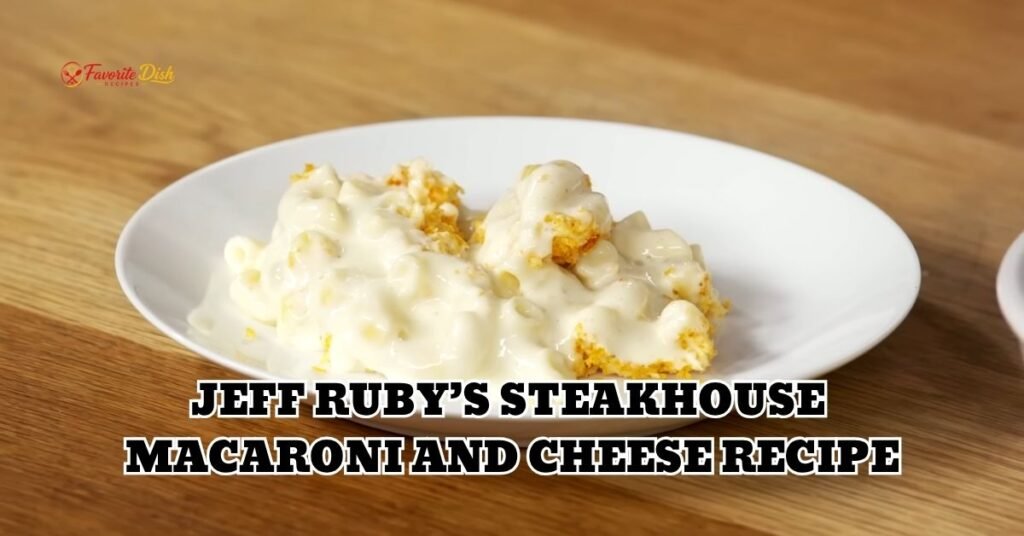
Jeff Ruby’s Steakhouse Macaroni and Cheese Recipe sat in my recipe binder for three weeks before I tried it. I picked it up during a work trip to Louisville, tucked it under a stack of mail, and completely forgot about it.
My wife found the paper one Saturday night while looking for a takeout menu. She held it up and asked why we had never made it. I didn’t have a good answer, so we went to the store the next morning to get what we needed.
Growing up, I mostly ate mac and cheese from a blue box. My dad would add extra butter and call it a treat. That was the version I knew, and honestly, I never thought much about changing it.
What Is Jeff Ruby’s Steakhouse Macaroni and Cheese?
Jeff Ruby’s Steakhouse is a group of upscale steak restaurants. It started in Cincinnati and later opened locations in Kentucky, Tennessee, and Ohio. Regulars order the mac and cheese as often as the steak. The dish built a following before the chain expanded past Ohio.
Jeff Ruby’s has never published the exact restaurant recipe. Home cooks have reverse engineered it from menu descriptions and copies passed around online for years. Six cheeses show up in every version I found, so that part seems settled. Brands and amounts stay a guess.
This version is not an exact match, since nobody outside the kitchen has the real one. I built it from that confirmed six-cheese base and my own testing at home. No major outlet, including Food Network, has published an official version of this exact recipe.
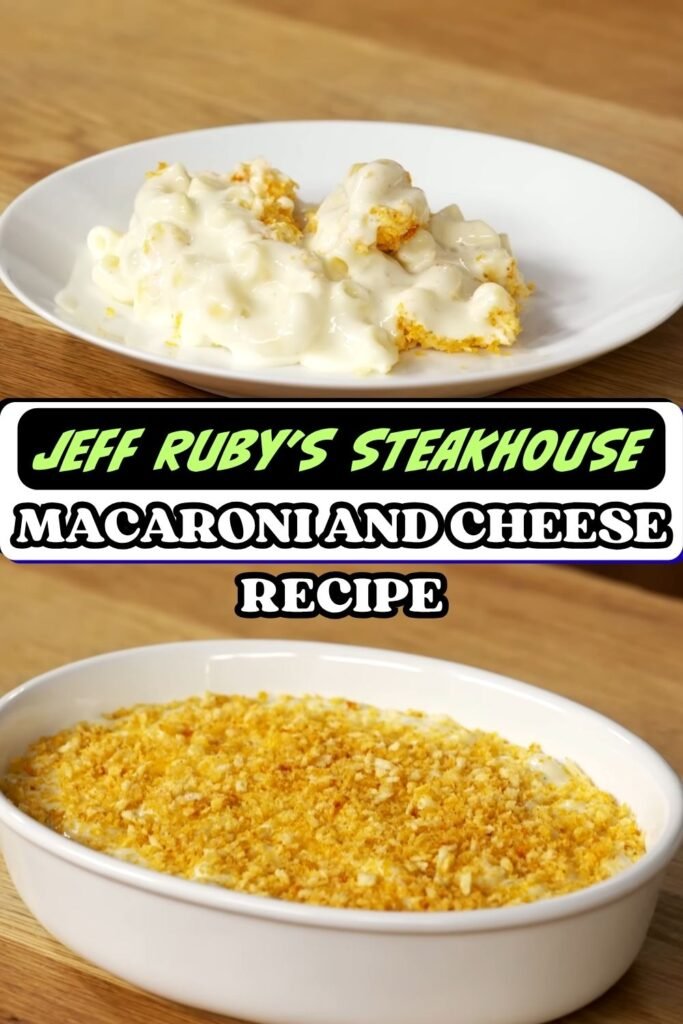
Ingredients for Jeff Ruby’s Steakhouse Macaroni and Cheese
1 pound cavatappi pasta: The corkscrew shape traps sauce inside every curl, so each bite gets coated. Barilla is the brand I keep in my pantry.
Elbow macaroni works fine too, though it holds less sauce per piece.
5 tablespoons unsalted butter, divided: Butter builds the roux that thickens the sauce and carries flavor into the breadcrumb topping. I use Kerrygold when I want a slightly richer, more golden color.
1/2 medium yellow onion, finely chopped: Cooking the onion low and slow pulls out its sugar and adds a savory background note. Chop it fine, since large pieces turn stringy after simmering.
1/4 cup all-purpose flour: Flour and butter form the roux, the base that keeps the sauce from separating once cheese goes in.
For a gluten-free version, swap in a 1:1 gluten-free flour blend at the same amount.
3 cups whole milk: Milk supplies the bulk of the sauce. It needs to be hot before cheese goes in. Otherwise the cheese seizes instead of melting smooth.
I buy Organic Valley for a cleaner dairy taste.
1/2 cup heavy cream: Cream added at the end smooths out the sauce and adds richness that milk alone cannot deliver. Half-and-half works as a lighter swap, though the finished sauce turns out slightly thinner.
1/2 teaspoon dry mustard powder: Mustard powder adds a background tang that cuts through six cheeses without tasting like mustard on its own. Colman’s is the tin I reach for every time.
1/8 teaspoon ground nutmeg: Nutmeg is the ingredient nobody notices but everybody misses once it’s left out of a cream sauce. Grate it fresh, since pre-ground nutmeg fades fast in the jar.
1/4 teaspoon cayenne pepper: Cayenne wakes up the richness of the cheese without making the dish taste spicy. Cut it in half for a milder sauce that kids will still eat.
1/4 teaspoon ground white pepper: White pepper seasons the sauce without leaving visible black flecks in a pale dish. Black pepper works in a pinch, though the color changes.
Kosher salt, to taste: Salt seasons the pasta water and the cheese sauce at two separate points, and both matter for flavor. Diamond Crystal is what I keep next to my stove.
4 ounces provolone, grated: Provolone melts smooth and mild, giving the sauce its stretch without adding much sharpness. Buy it in a block, since pre-shredded bags coat the cheese in starch.
3 ounces fontina, grated: Fontina brings a nutty, slightly buttery note and melts almost as smoothly as provolone. Look for Italian fontina val d’aosta over the milder Danish version.
3 ounces Gruyere, grated: Gruyere adds a deep, slightly sweet backbone that makes this taste like a steakhouse dish. It costs more, so I buy it in small blocks.
2 ounces Parmigiano-Reggiano, grated: Real parmesan adds a salty, aged sharpness that ties the milder cheeses together. Skip the shelf-stable green can here, since it melts grainy instead of smooth.
6 ounces Asiago, grated and divided: Asiago goes into the sauce and into the topping, so it links the creamy layer to the crunchy one. Younger Asiago melts better than the aged, crumbly kind.
8 ounces sharp yellow cheddar, grated and divided: Cheddar carries most of the familiar mac and cheese flavor and gives the topping its color. Cabot extra sharp is my regular pick at the store.
3/4 cup panko breadcrumbs: Panko stays crisp on top after baking, since the flakes are larger and drier than regular breadcrumbs. Toast them a minute in butter first for deeper color.
Kitchen Equipment I Used
- Large stock pot: for boiling the pasta.
- Box grater: shred each cheese fresh.
- Whisk: smooths the roux and sauce.
- Large saucepan: builds the cheese sauce.
- Small skillet: toasts the panko topping.
- 9×13-inch baking dish: standard size for baking.
- Kitchen scale: weighs cheese with accuracy.
How to Make Jeff Ruby’s Steakhouse Macaroni and Cheese
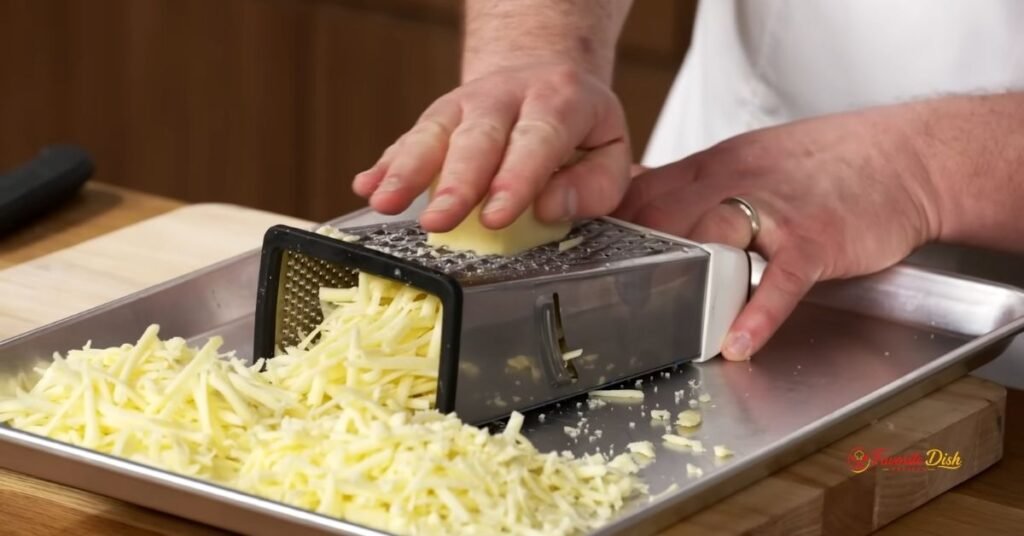
1. Prep the Cheese: Grate the provolone, fontina, Gruyere, Parmigiano-Reggiano, Asiago, and cheddar before starting anything else. Cold cheese grates cleaner and melts more evenly once it hits the hot milk.
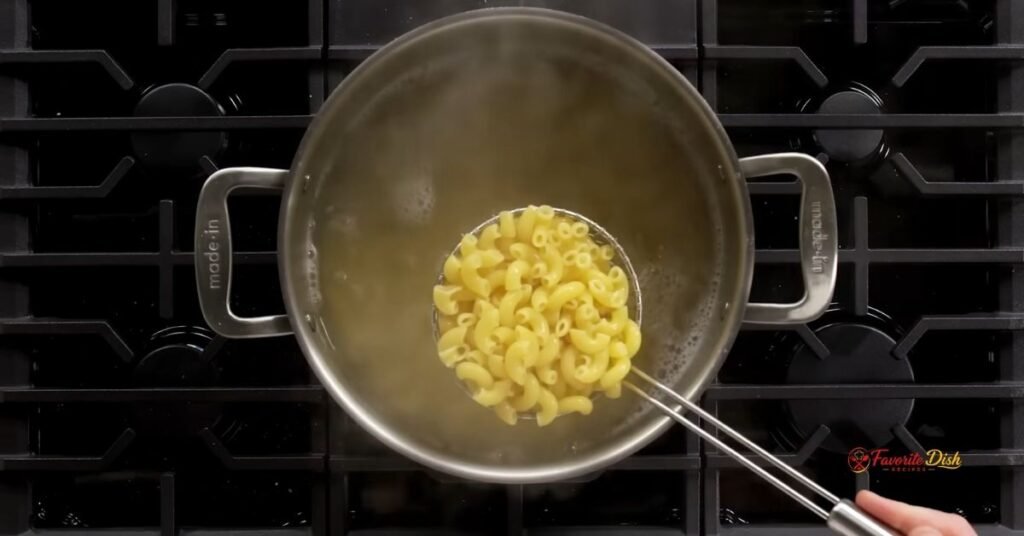
2. Cook the Pasta: Bring a large pot of well-salted water to a boil. Add the cavatappi and cook until just al dente, about 8 minutes. Drain in a colander, but skip rinsing so the starch stays on the noodles.
Good al dente pasta still has a small white dot in the center when you bite into it.
3. Caramelize the Onion: Melt 1 tablespoon of butter in a small skillet over medium heat. Add the onion with a pinch of salt and cook, stirring often, for about 12 minutes, until deeply softened.
The onion turns soft and light gold, with a smell like caramel starting to build.
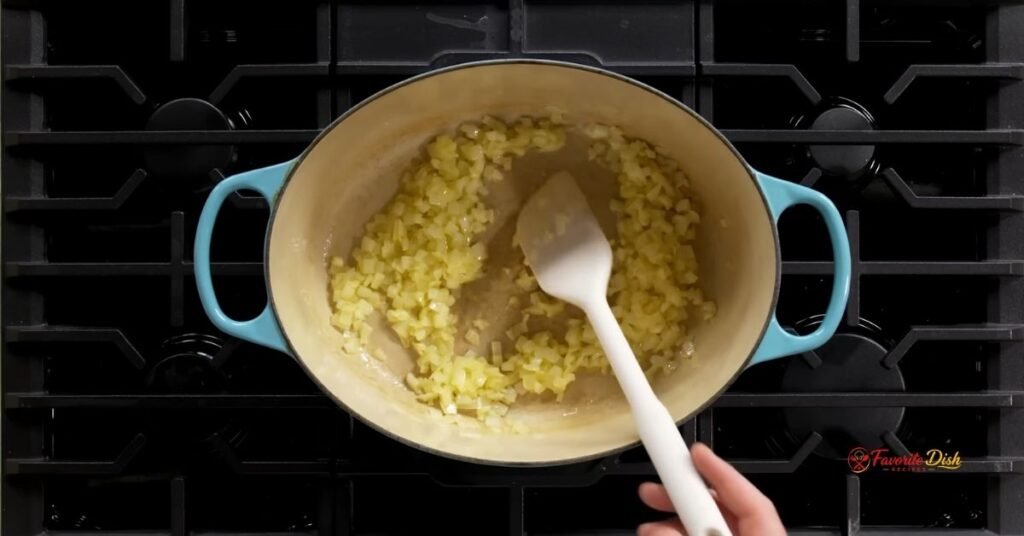
4. Build the Roux: Melt the remaining 4 tablespoons of butter in a large saucepan over medium heat. Whisk in the flour right away and cook it for about 90 seconds, stirring constantly.
The roux should smell nutty, not burnt. A dark or scorched roux means starting over, since burnt flour turns the sauce bitter.
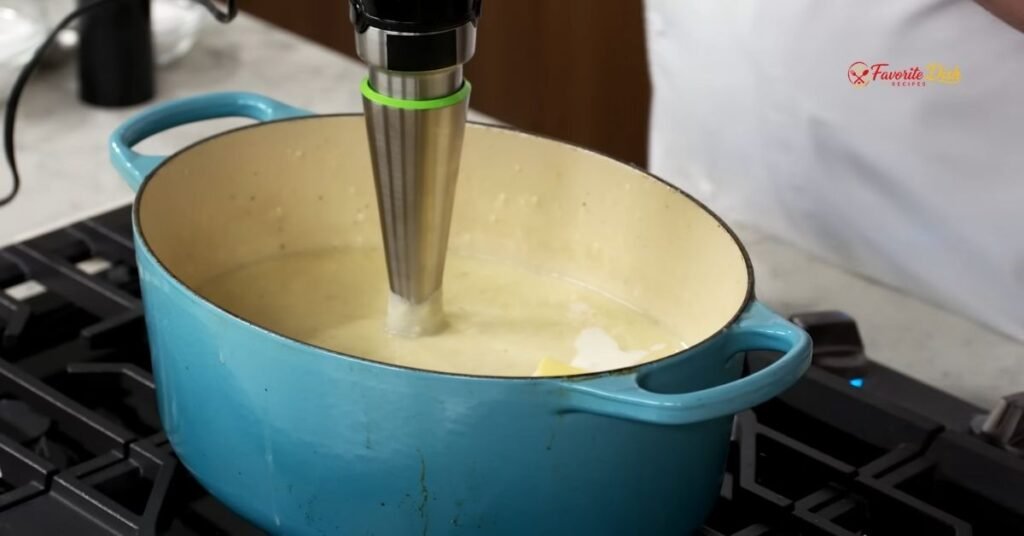
5. Make the Cheese Sauce: Slowly whisk in the warm milk, then the cream, and bring everything to a light simmer. Stir in the mustard, nutmeg, cayenne, white pepper, and the cooked onion. Add the cheese in small handfuls, whisking constantly.
The sauce turns glossy and thick enough to coat the back of a spoon once it’s ready.
6. Taste and Adjust: Dip a spoon into the sauce and taste it directly, since this is the only real way to judge seasoning. Add more salt in small pinches, since the cheeses alone rarely provide enough.
A well-seasoned sauce tastes rich and slightly salty on its own, not flat or dull.
7. Combine and Fill the Dish: Preheat the oven to 425°F while the sauce finishes. Stir the cooked pasta into the cheese sauce until every piece gets coated. Pour the mixture into a buttered 9-by-13-inch baking dish.
The sauce should still look loose at this point. A stiff sauce means adding a splash of warm milk before combining.
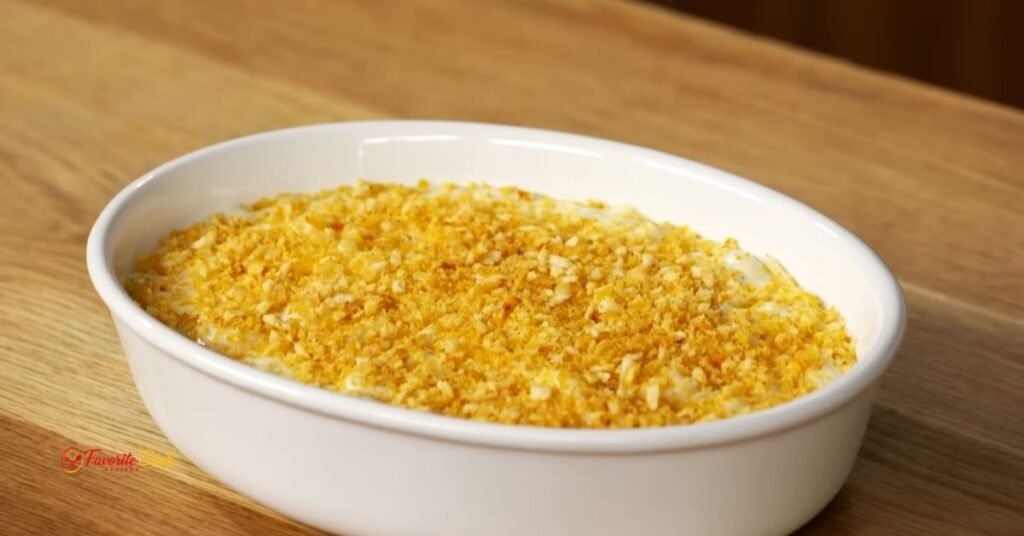
8. Top and Bake: Toast the panko in a dry skillet with butter until light gold, about 3 minutes. Mix the toasted panko with the remaining cheddar and Asiago, then scatter it over the pasta.
Bake for 12 to 15 minutes, until the top turns deep gold. My smoke detector went off the first time I tried this.
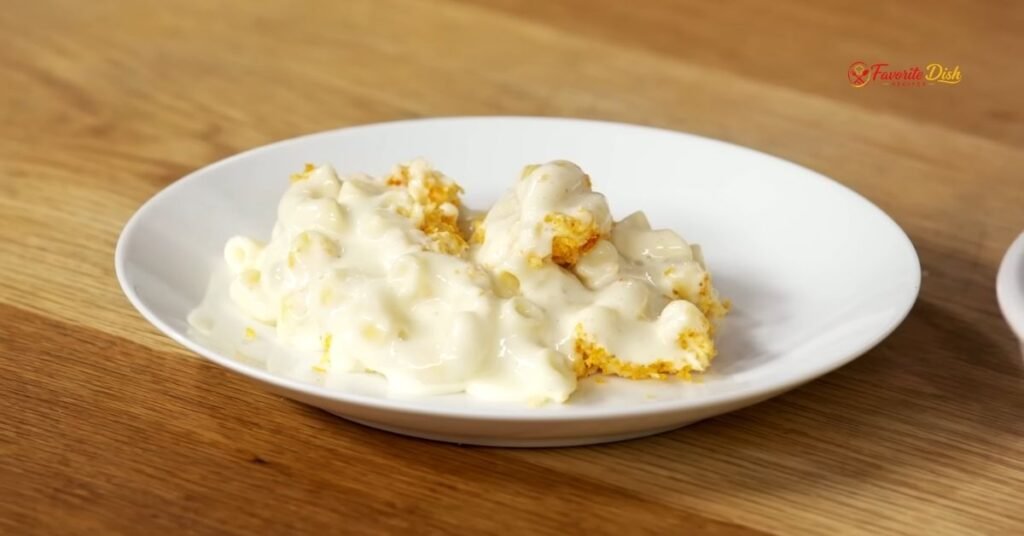
The panko browned faster than the timing on the original recipe suggested. Let the dish rest 5 minutes before serving.
Chef Notes to Improve Jeff Ruby’s Steakhouse Macaroni and Cheese
1. Fixing a Grainy Sauce: Grainy texture means the cheese went in too fast, or the milk was not hot enough.
2. Fixing an Oily Sauce: Oily sauce means the mixture got too hot right after the cheese melted in.
3. Balancing Six Rich Cheeses: Lean on provolone and fontina for volume, and use Gruyere and Parmesan for punch.
4. Getting a Steakhouse-Style Crust: A pale top means the oven ran too cool, or the rack sat too low.
5. Keeping the Sauce Creamy After Sitting: A sauce that seizes on standing usually needed more roux at the start.
6. Getting the Cheese-to-Pasta Ratio Right: A dry dish means too little sauce for the amount of pasta used.
Flavor Ideas for Jeff Ruby’s Steakhouse Macaroni and Cheese
Lobster Steakhouse Version: Fold in 8 ounces of chopped, cooked lobster meat right before the pasta goes into the baking dish. The sweetness plays well against the sharp cheddar and Gruyere.
Bacon Mac and Cheese: Cook 6 strips of bacon until crisp and crumbled. Stir half into the sauce, with the rest on top before baking. It adds a smoky, salty crunch that plain panko cannot give.
Truffle Mac and Cheese: Stir in a scant teaspoon of truffle oil right after the cheese melts into the sauce. The aroma changes the whole dish, so I save this one for New Year’s Eve.
Smoked Mac and Cheese: Swap half the cheddar for smoked gouda and add a quarter teaspoon of smoked paprika to the topping. This works well next to grilled chicken or ribs at a summer cookout.
Spicy Version: Double the cayenne and stir in a chopped jalapeño with the onion. The heat builds slowly instead of hitting all at once, which pairs well with a cold sprite.
Gluten-Free Version: Use a 1:1 gluten-free flour blend in the roux and gluten-free panko on top. The texture stays close to the original.
What Dishes to Try With This Jeff Ruby’s Steakhouse Macaroni and Cheese
A ribeye or filet mignon next to this dish makes a complete steakhouse plate at home. Grilled asparagus, charred broccolini, or roasted Brussels sprouts add color and a little bitterness against the rich sauce.
For a heartier plate, add sauteed shrimp or a few slices of seared filet directly on top. A pinch of flaky sea salt and chopped chives right before serving brightens every bite. A few cracks of black pepper add one more layer.
Small ramekins work well for a steakhouse-style presentation, since each guest gets their own golden crust. Set the ramekin on a small plate with a sprig of thyme or parsley for a simple finishing touch.
For a full dinner, start with a wedge salad, then serve the steak and this dish side by side. Add a basket of warm rolls, and finish with a simple dessert to round things out.
Storage and Make-Ahead Tips
Refrigerator storage for Jeff Ruby’s Steakhouse Macaroni and Cheese lasts about 4 days in an airtight container. The sauce firms up quite a bit once it’s cold, so give it time to warm through slowly instead of blasting it in the microwave.
Freezing works for up to 2 months in a freezer-safe dish wrapped tightly in foil, then a layer of plastic wrap underneath. Dairy sauces can separate slightly once thawed, so a quick stir while reheating helps bring it back together.
Reheating works best in a 325°F oven for about 20 minutes. Cover loosely with foil to keep the top from drying out. A splash of milk stirred in restores some creaminess, especially on the second or third day.
Jeff Ruby’s Steakhouse Macaroni and Cheese Recipe FAQs
1. Can I use a different pasta shape?
Yes. Shells, cavatappi, and elbow macaroni all work well, since each shape has ridges or curves that hold sauce. Avoid long noodles like spaghetti or fettuccine, since flat strands do not trap nearly as much sauce.
2. What’s a good swap when I cannot find Gruyere?
Fontina or a mild white cheddar both melt smoothly and work well in place of Gruyere. The flavor turns slightly milder, though the texture of the finished sauce stays about the same. A specialty cheese counter can also special order a small block ahead of a holiday meal.
3. Why is my sauce too thin?
Thin sauce usually means the roux was too small for the amount of milk used, or the sauce never got the full 5-minute simmer. Simmer it a few extra minutes uncovered, and it will thicken as the liquid reduces.
4. Why is my sauce too thick?
Thick sauce usually means the roux cooked too long, or the sauce sat too long before the pasta went in. Whisk in a splash of warm milk, a tablespoon at a time, to loosen it back up.
5. Why did my cheese sauce separate?
Separated sauce usually means the heat climbed too high once the cheese went in, which breaks the fat away from the protein. Keep the sauce near a gentle simmer, never a hard boil, from that point forward.
6. How do I keep the pasta from turning mushy?
Cook the pasta about a minute short of the package instructions. It keeps cooking once it sits in the hot sauce, and again once the whole dish goes into the oven for several minutes.
7. Why does my mac and cheese taste bland?
Bland sauce usually means salt got skipped at more than one stage. Seasoning happens in the pasta water and again in the sauce itself, plus a final taste right before it goes into the dish.
8. How spicy is this recipe for kids?
As written, the heat stays mild for most kids, since the whole batch uses barely a quarter teaspoon of cayenne. Leave it out completely for a version with zero heat at all.
9. Why did my breadcrumbs turn soggy instead of crisp?
Soggy topping usually means the panko went straight onto the pasta without toasting first, or the dish sat covered right out of the oven. Toasting the panko separately in butter locks in the crunch before baking.
10. Can I make the cheese sauce a day ahead of the pasta?
Yes, though it thickens quite a bit once chilled. Reheat it gently on the stove with a splash of milk, whisking constantly, before combining it with freshly cooked pasta and baking as directed.
Jeff Ruby’s Steakhouse Macaroni and Cheese Recipe
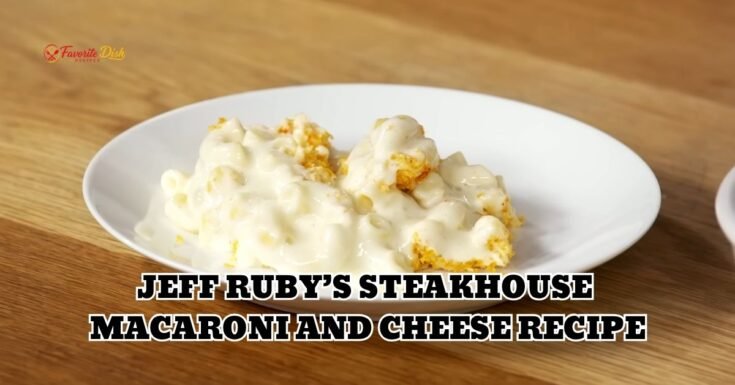
Jeff Ruby's Steakhouse Macaroni and Cheese Recipe uses a six-cheese blend and a toasted panko crust. It comes together in just over an hour.
Ingredients
- 1 pound cavatappi pasta
- 5 tablespoons unsalted butter, divided
- ½ medium yellow onion, finely chopped
- ¼ cup all-purpose flour
- 3 cups whole milk
- ½ cup heavy cream
- ½ teaspoon dry mustard powder
- ⅛ teaspoon ground nutmeg
- ¼ teaspoon cayenne pepper
- ¼ teaspoon ground white pepper
- Kosher salt, to taste
- 4 ounces provolone, grated
- 3 ounces fontina, grated
- 3 ounces Gruyere, grated
- 2 ounces Parmigiano-Reggiano, grated
- 6 ounces Asiago, grated and divided
- 8 ounces sharp yellow cheddar, grated and divided
- ¾ cup panko breadcrumbs
Instructions
- Grate the provolone, fontina, Gruyere, Parmigiano-Reggiano, Asiago, and cheddar before starting anything else.
- Bring a large pot of well-salted water to a boil. Add the cavatappi and cook until just al dente, about 8 minutes. Drain without rinsing.
- Melt 1 tablespoon of butter in a small skillet over medium heat. Add the onion with a pinch of salt and cook, stirring often, for about 12 minutes, until deeply softened.
- Melt the remaining 4 tablespoons of butter in a large saucepan over medium heat. Whisk in the flour and cook for about 90 seconds, stirring constantly.
- Slowly whisk in the warm milk, then the cream, and bring to a light simmer. Stir in the mustard, nutmeg, cayenne, white pepper, and cooked onion. Add the cheese in small handfuls, whisking constantly.
- Taste the sauce and adjust the salt.
- Preheat the oven to 425°F. Stir the cooked pasta into the cheese sauce, then pour into a buttered 9-by-13-inch baking dish.
- Toast the panko in a dry skillet with butter until light gold. Mix with the remaining cheddar and Asiago, then scatter over the pasta. Bake for 12 to 15 minutes, until deep gold. Rest 5 minutes before serving.
Notes
This recipe uses a reverse-engineered six-cheese blend based on public copycat sources, not an official Jeff Ruby's Steakhouse recipe.
Nutrition Information:
Yield:
8Serving Size:
1Amount Per Serving: Calories: 560
Jeff Ruby’s Steakhouse Macaroni and Cheese Recipe leans rich, not light. Six cheeses, cream, and butter add up fast. Treat this as a smaller side next to a salad or lean protein. A single cup runs past 500 calories once the sauce and crust are counted.
For a lower-carb plate, swap in a low-carb pasta alternative and cut the portion in half. The cheese sauce alone carries plenty of richness on its own.