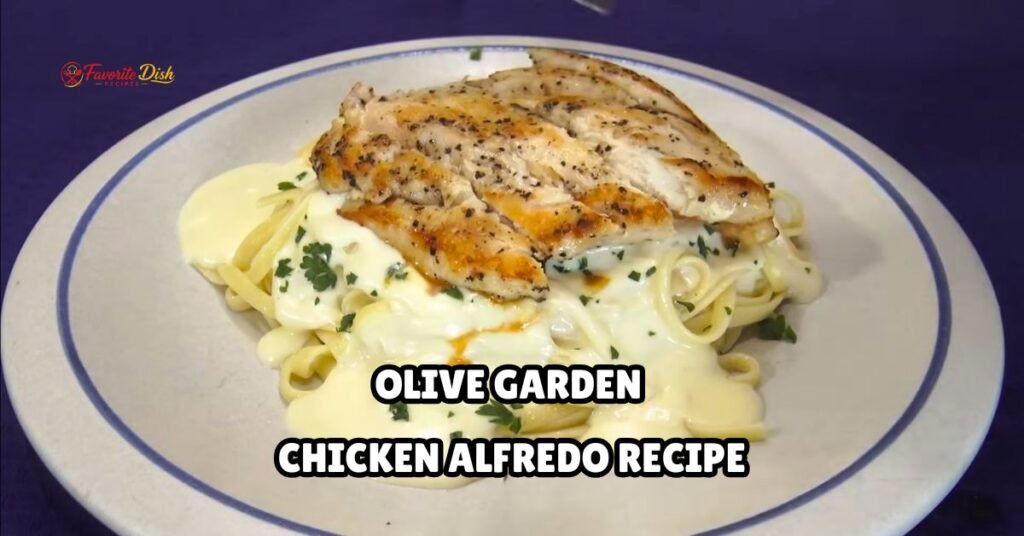
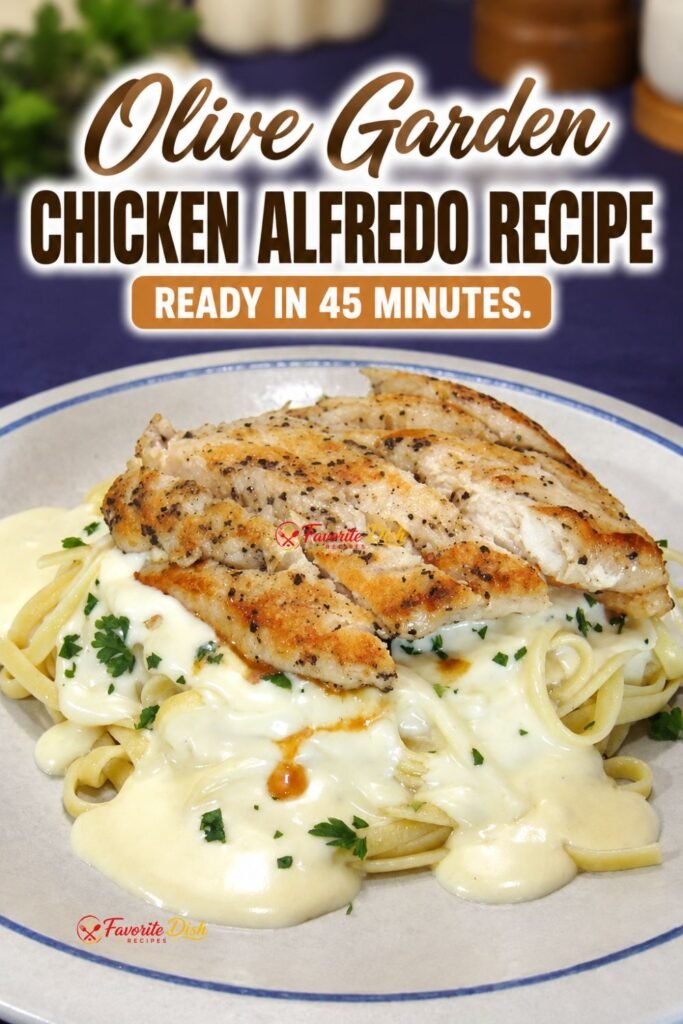
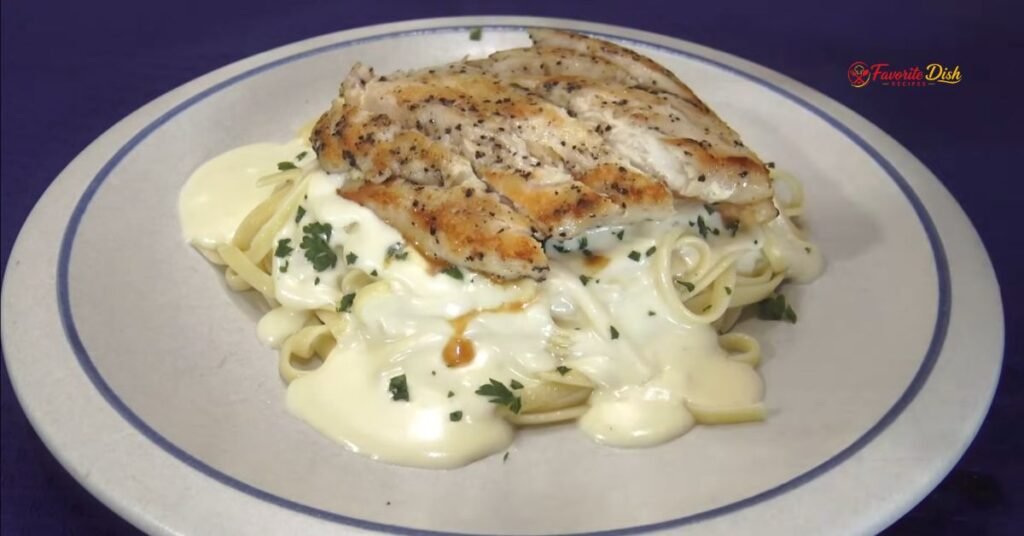
Olive Garden serves this Chicken Alfredo over fettuccine with sliced grilled chicken and parsley on top. The chain is just as famous for its unlimited breadsticks. That full plate was the one I wanted at home.
This Olive Garden Chicken Alfredo Recipe has a smooth roux-based sauce, seared chicken, and fettuccine, all ready in 45 minutes. It suits busy parents and pasta fans who want breadsticks-and-alfredo night at home.
People with a milk allergy should skip it as written, since the whole sauce is dairy. Those with lactose intolerance may handle the aged cheeses but not the milk and cream.
Why Homemade Alfredo Sauce Turns Grainy or Greasy
Most failed sauces trace back to heat and cheese. Boil the cream hard and the fat separates into oily streaks. Bagged shreds add a second problem, because the anti-caking starch coating them never fully melts.
A roux solves the first half. Two tablespoons of flour cooked in butter bind the cream and cheese. That keeps the sauce smooth while it waits on the burner.
Shred the cheese yourself, right before it goes in. A box grater handles a wedge of Parmesan and a wedge of Romano in about 4 minutes.
Roman-style alfredo has no cream or flour. It is butter and cheese loosened with pasta water. This pot follows the American style that Olive Garden serves, which is why the roux belongs here.
Ingredients for Olive Garden Chicken Alfredo
4 boneless, skinless chicken breasts (about 6 ounces each): Even thickness decides how evenly the meat cooks. I buy Perdue breasts at Kroger. Thick ones get pounded to ¾ inch first, or the outside dries before the center is done. Boneless thighs work in place of breasts. Their extra fat keeps them juicier, so add 2 minutes to each side.
1 tablespoon vegetable oil: Wesson sits in my cabinet for this job. The oil coats the chicken so the salt clings and the surface browns instead of sticking. Canola or avocado oil swaps in without any change to the amount.
1 teaspoon black pepper, plus a scant ¼ teaspoon: Grind whole peppercorns fresh; McCormick is my brand. Pepper toasts in the hot pan and adds a faint bite to the crust. Save the scant ¼ teaspoon for the sauce.
1½ teaspoons kosher salt, plus a scant ½ teaspoon: With table salt, use a third less. Diamond Crystal kosher is what I keep, and its light flakes spread evenly over the chicken. Salt also pulls moisture to the surface, which helps a crust form.
1 pound fettuccine: Barilla is the box I grab. The wide, flat ribbons give the sauce more surface to grip. Salt the pot with 1 tablespoon. Linguine works in place of it, and the cook time stays the same.
6 tablespoons (3 ounces) unsalted butter: Land O’Lakes is my go-to. Butter starts the roux and carries the garlic’s flavor into the cream. Salted butter works in place of it, but cut the sauce salt to a pinch.
1 tablespoon minced fresh garlic (about 3 large cloves): Choose firm heads with tight skins. It cooks in the butter for 2 minutes, which softens the bite without browning. Jarred garlic works in a pinch but adds a sour edge from its packing acid.
2 tablespoons all-purpose flour: Cook it a full 2 minutes, or the sauce tastes like raw paste. Flour cooked in the butter forms the roux that keeps the sauce from splitting. King Arthur is what I keep. A 1-to-1 gluten-free blend, such as Bob’s Red Mill, works in place of it with no change to the amount.
1½ cups whole milk: Skim leaves the sauce looser and less glossy, so stay with whole. Kroger whole milk does the job. Milk loosens the cream so the sauce coats the pasta instead of sitting on it.
1½ cups heavy cream: Cream gives the sauce its body, and its high fat resists curdling under heat. I use Horizon Organic. Half-and-half works in place of it, but the sauce turns thinner and needs 5 extra minutes.
½ cup freshly grated Parmesan: Boar’s Head wedges from the deli are my pick. Aged cheese adds salty, nutty depth and melts smoothly only when shredded fresh. Wrap the leftover wedge in parchment, then foil.
½ cup freshly grated Pecorino Romano: Sheep’s milk gives it more tang and salt than Parmesan. Locatelli is the wedge I look for. For a milder sauce, use 1 cup Parmesan and skip the Romano.
2 tablespoons chopped flat-leaf parsley: Parsley adds a grassy snap that cuts the cream. Trader Joe’s bunches are what I buy. Add it last so it stays bright green.
Required Kitchen Equipment
- Cast-iron skillet (12-inch): sears four breasts
- Heavy 3-quart saucepan: even heat for roux
- Large stockpot: boils the pasta
- Box grater: shreds cheese fresh
- Flat whisk: smooths the roux
- Instant-read thermometer: confirms 165°F
How to Make Olive Garden Chicken Alfredo
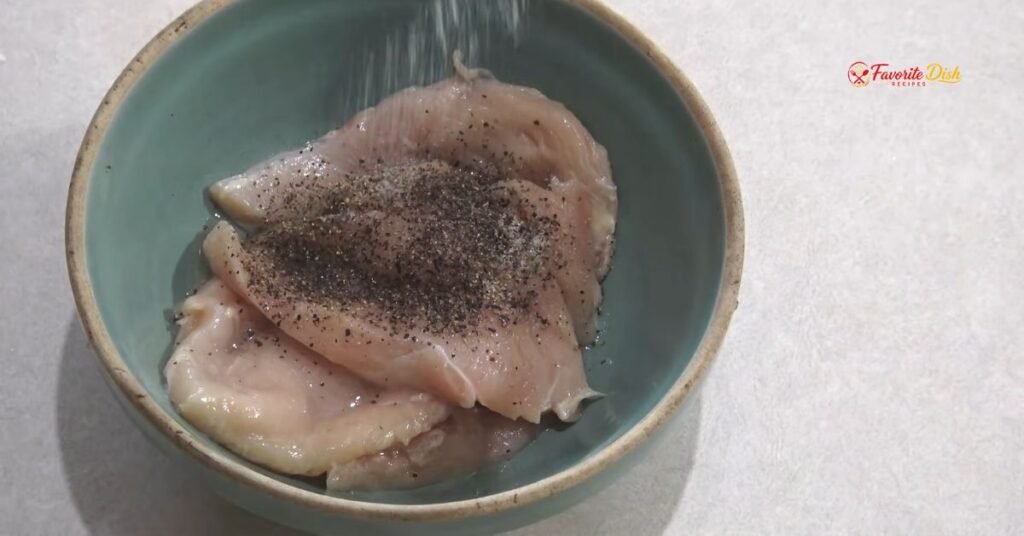
1. Season the Chicken: Pound the breasts to an even ¾ inch between sheets of plastic wrap. Toss with the oil, 1 teaspoon pepper, and 1½ teaspoons salt. Rest on the counter for 15 minutes. Meanwhile, set 5 quarts of water with 1 tablespoon of salt on to boil.
Cold chicken straight from the fridge stayed pale in my first test. Room-temperature meat browned evenly.
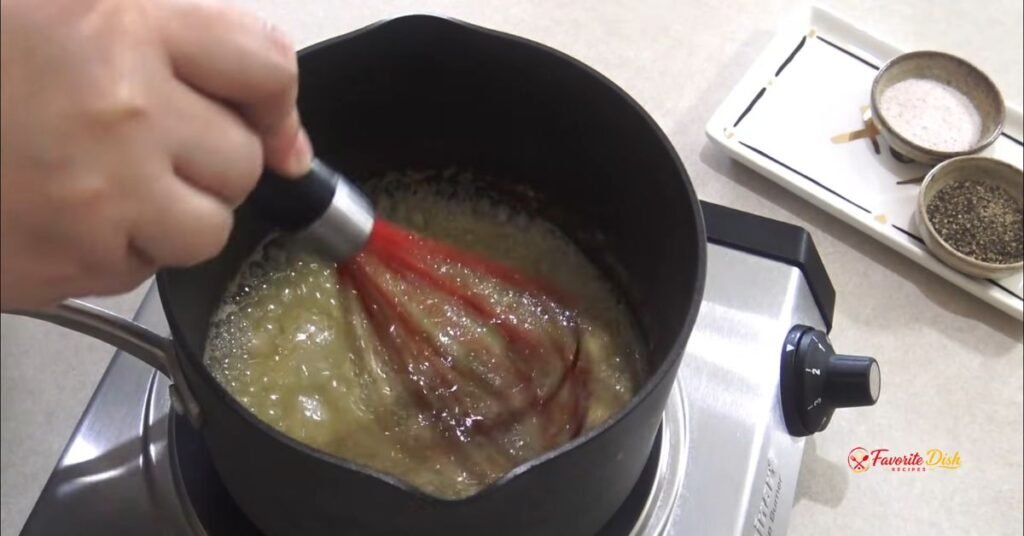
2. Build the Roux: Melt the butter in a heavy saucepan over medium-low heat. Add the garlic and stir for 2 minutes. Whisk in the flour and cook 2 minutes more. The paste should turn pale gold and smell like warm toast. Garlic that browns turns bitter, so tip it out and start again.
3. Add the Milk and Cream: Pour in the milk and cream slowly, whisking the whole time. Raise the heat to medium until tiny bubbles ring the edge. Do not let it boil hard. A flat whisk reaches the corners of my saucepan. Round spoons left dry flour hiding there, and it showed up as lumps.
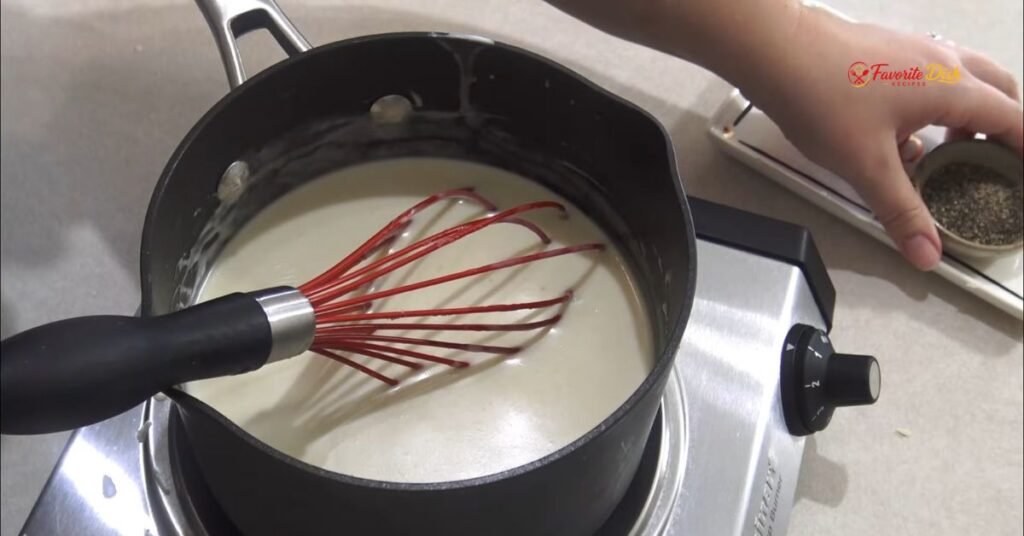
4. Melt in the Cheese: Drop the heat to low. Stir in the Parmesan and Romano a handful at a time. Simmer for 11 to 12 minutes, stirring often, until the sauce coats the back of a spoon. Drag a finger through the coating. The line should hold. Grainy or oily sauce means the heat ran too high. Lift the pan off the burner and whisk in 2 tablespoons of cold milk.
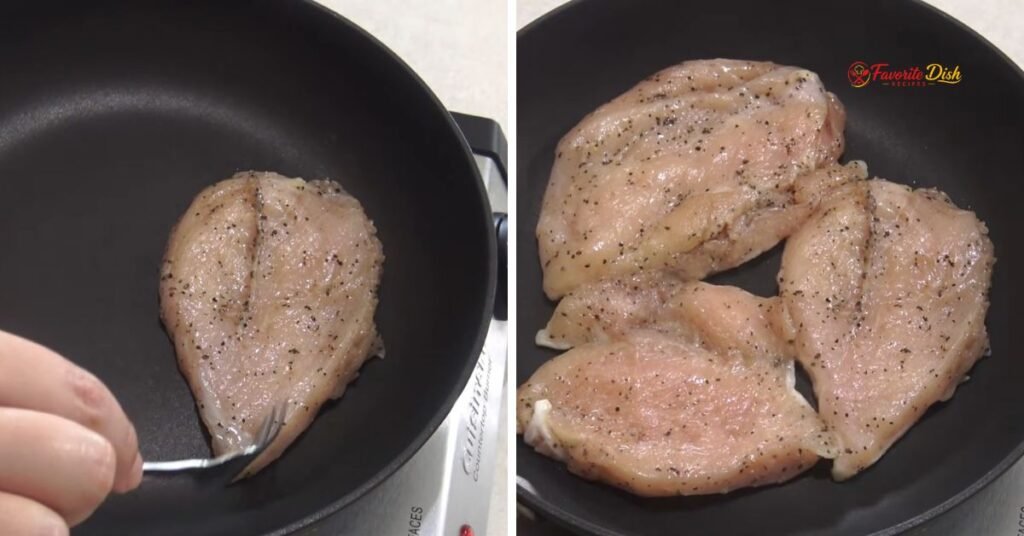
5. Sear the Chicken: While the sauce simmers, heat the skillet over medium-high for 3 minutes. Lay in the chicken and leave it alone for 6 minutes. Flip and cook 5 to 6 minutes more, until a thermometer reads 165°F.
The first side should sizzle loudly and turn deep gold. Four breasts fit in my 12-inch Lodge skillet without touching. Crowded chicken steams and stays pale. Rest it on a board for 5 minutes before slicing.
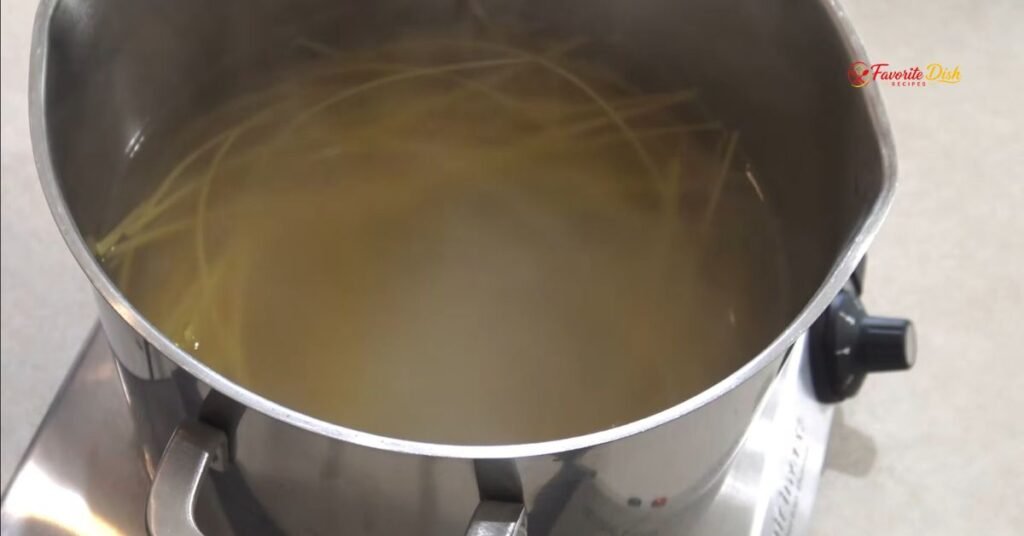
6. Cook the Pasta: Two minutes after the chicken goes in, drop the fettuccine into the boiling water. Cook it 1 minute short of the package time, about 9 minutes. Save ½ cup of the water, then drain. Bite a strand for 8 minutes. A thin pale dot in the center means it needs 1 more minute.
7. Toss and Plate: Add the drained pasta to the sauce and toss for 1 minute. Splash in pasta water to loosen it. Slice the chicken against the grain and set it on top. Scatter on the parsley. Serve right away. Fettuccine keeps absorbing sauce, so the bowl looks thicker after 5 minutes.
Alternative Cooking Methods
The primary method is the cast-iron skillet sear. Direct contact with hot iron browns the surface in 11 to 12 minutes. It needs your attention at the stove while the sauce simmers.
Oven baking frees a burner. Heat the oven to 425°F and set the chicken on a rimmed sheet pan. Bake 18 to 22 minutes, until it reads 165°F. Skip the skillet step. The crust comes out paler.
An air fryer suits a smaller batch. Cook two breasts at a time at 375°F for 12 to 14 minutes, flipping halfway. Check that they read 165°F. Four breasts need two rounds, so total time grows.
The sauce stays on the stovetop in all three methods. Only the chicken moves, so start the pasta when the chicken has about 11 minutes left.
Chef Special Tips for Olive Garden Chicken Alfredo
1. Thick Sauce at the Table Warm milk, 1 tablespoon at a time, loosens a pot that tightened while the chicken rested.
2. Thin Sauce After Simmering Simmer 3 minutes longer on low heat. Extra cheese raises the salt before it adds body.
3. Flat-Tasting Sauce Stir in a scant ½ teaspoon of lemon juice. The acid sharpens the cheese without a sour note.
4. Chicken That Tugs in the Pan The crust has not formed yet. Wait 30 more seconds, and the meat releases on its own.
5. Brown Specks in the Sauce Those are scorched garlic bits from a roux that ran too hot. Pour the sauce through a fine sieve.
6. Pasta Clumping Stir the pasta in the first 60 seconds of boiling. It sticks together while the starch is still raw.
How I Customize This Olive Garden Chicken Alfredo
Roasted Garlic: Squeeze a whole roasted head into the roux in place of the raw garlic. The sauce turns sweeter and mellower. I serve this one in October with roasted carrots.
Broccoli: Steam 2 cups of florets for 3 minutes and fold them in with the pasta. They add snap and a green break from the cream. This is my Tuesday version.
Cajun Blackened: Rub the chicken with 2 teaspoons of Tony Chachere’s in place of the salt and pepper. The paprika-heavy blend gives a dark crust and gentle heat.
Sun-Dried Tomato: Stir ¼ cup chopped oil-packed tomatoes into the finished sauce. Their sweet-tart bite cuts through the cheese. I pair it with arugula.
Mushroom: Brown 8 ounces of sliced cremini in the butter before the garlic goes in. The browned bits add an earthy base to the roux. It suits a cold evening.
Lighter Sauce: Use half-and-half for the cream and add 1 extra tablespoon of flour to hold the body. The sauce still coats the noodles. I use it on nights with a big salad.
What I Serve With Olive Garden Chicken Alfredo
A plain green salad is the best partner. I toss romaine with red onion and pepperoncini, then add a vinegary Italian dressing. The acid cuts the cream between bites, and black olives round out the bowl. Chill the bowls for 10 minutes first so the greens stay crisp.
Bread comes next. I bake a tube of Pillsbury breadsticks and brush the tops with melted butter and garlic powder. Warm bread mops the last of the sauce from the bowl.
For a vegetable side, roast green beans at 425°F for 12 minutes. The browned tips add a bitter edge that balances the sauce. A squeeze of lemon lifts them. Broccoli roasted the same way works too.
On a hot August evening, I put out the cold salad first and the warm breadsticks second. The pasta came last, with lemon sorbet waiting in the freezer. Nobody noticed the window unit rattling.
How I Store Olive Garden Chicken Alfredo
Cool the pasta within 2 hours, then pack it into a shallow airtight glass container. It keeps for 3 days in the refrigerator. Write the date on the lid with masking tape, and store sliced chicken in its own container.
Cold alfredo sets into a solid block. The starch and cheese tighten as they chill, which is normal and not a sign of spoilage. I use glass because plastic holds garlic smell.
Reheat in a skillet over low heat, stirring gently for 4 to 5 minutes. Add 2 tablespoons of milk per serving, a spoonful at a time. In the microwave, use 50 percent power in 30-second bursts and stir between each. Stop when steam rises from the center.
Freezing the finished dish is a poor idea, since thawed cream sauce separates. Sauce alone can freeze for 2 months in a jar. Thaw it overnight in the refrigerator, then whisk it over low heat until smooth.
Turning Leftover Olive Garden Chicken Alfredo Into Something New
Use leftovers within 2 days for these ideas, while the sauce still coats a spoon. Both stretch a half portion into a full dinner.
For baked alfredo, spread the pasta in a greased 9-by-13 dish. Top with 1 cup shredded mozzarella and a handful of panko. Cover with foil for the first 12 minutes. Bake at 375°F for 20 minutes total, until the top browns.
For flatbread, spread cold leftover sauce on naan, then add chopped chicken and mozzarella. Bake at 450°F for 8 minutes, until the cheese bubbles.
Olive Garden Chicken Alfredo Recipe FAQs
1. Can I use rotisserie chicken instead of searing breasts?
Yes. Pull the meat from a store-bought bird and slice it. Warm it in the finished sauce for 2 minutes. Skip the salt and pepper rub, since the bird is already seasoned.
2. Can I prepare the sauce a day ahead?
Yes. Cool it, then refrigerate it in a jar for up to 2 days. Rewarm it over low heat, whisking, while the pasta cooks. Add the pasta only once the sauce is steaming.
3. Which pasta shapes work besides fettuccine?
Pappardelle holds the sauce just as well. Penne and rigatoni trap sauce inside their tubes. Cook any shape 1 minute short of the package time so it finishes in the pan.
4. Is this sauce spicy?
No. The black pepper adds only a faint bite. For gentle heat, stir ¼ teaspoon of red pepper flakes into the butter with the garlic. The flakes bloom in the fat and spread evenly.
5. Can I keep the chicken warm while the pasta finishes?
Yes. Tent the whole breasts with foil and leave them near the stove for up to 15 minutes. Slice them only when the plates are ready, so the juices stay inside.
6. Can I use a slow cooker?
No. Long, steady heat breaks cream sauces, and the pasta turns mushy in the liquid. A saucepan gives the quick control this sauce needs.
7. Can I skip the flour?
Yes, but the sauce loses its safety net. Simmer the cream and cheese 6 to 8 minutes longer on very low heat. Expect a looser coating on the noodles and less forgiveness once it sits.
8. Can I use Parmigiano-Reggiano?
Yes. It is aged longer than most domestic Parmesan, so the sauce tastes nuttier. Use the finest holes on the grater so the shreds melt before the sauce thickens further.
9. What size pot works best for the sauce?
A heavy 3-quart saucepan. Thin pans scorch the roux in spots, and a wider pot reduces the sauce too fast. Stir the corners every minute or so.
Olive Garden Chicken Alfredo Recipe
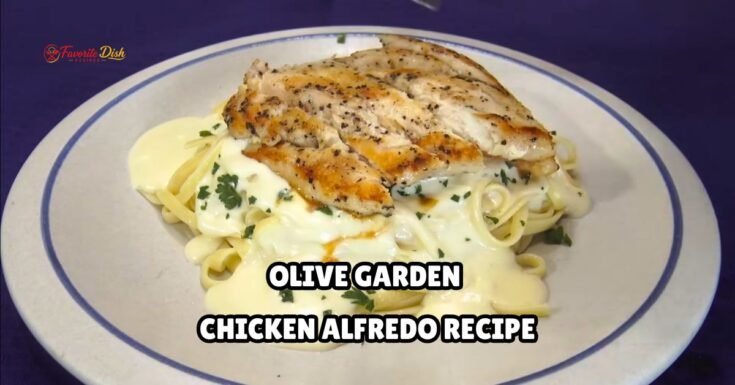
Olive Garden Chicken Alfredo Recipe with a flour roux that keeps the sauce smooth, plus seared chicken and fettuccine. Ready in 45 minutes.
Ingredients
- 4 boneless, skinless chicken breasts (about 6 ounces each)
- 1 tablespoon vegetable oil
- 1 teaspoon black pepper, plus a scant ¼ teaspoon
- 1½ teaspoons kosher salt, plus a scant ½ teaspoon
- 1 pound fettuccine
- 1 tablespoon salt for the pasta water
- 6 tablespoons (3 ounces) unsalted butter
- 1 tablespoon minced fresh garlic
- 2 tablespoons all-purpose flour
- 1½ cups whole milk
- 1½ cups heavy cream
- ½ cup freshly grated Parmesan
- ½ cup freshly grated Pecorino Romano
- 2 tablespoons chopped flat-leaf parsley
Instructions
- Pound the breasts to an even ¾ inch between sheets of plastic wrap. Toss with the oil, 1 teaspoon pepper, and 1½ teaspoons salt. Rest on the counter for 15 minutes. Meanwhile, set 5 quarts of water with 1 tablespoon of salt on to boil.
- Cold chicken straight from the fridge stayed pale in my first test. Room-temperature meat browned evenly.
- Melt the butter in a heavy saucepan over medium-low heat. Add the garlic and stir for 2 minutes. Whisk in the flour and cook 2 minutes more. The paste should turn pale gold and smell like warm toast. Garlic that browns turns bitter, so tip it out and start again.
- Pour in the milk and cream slowly, whisking the whole time. Raise the heat to medium until tiny bubbles ring the edge. Do not let it boil hard. A flat whisk reaches the corners of my saucepan. Round spoons left dry flour hiding there, and it showed up as lumps.
- Drop the heat to low. Stir in the Parmesan and Romano a handful at a time. Simmer for 11 to 12 minutes, stirring often, until the sauce coats the back of a spoon. Drag a finger through the coating. The line should hold. Grainy or oily sauce means the heat ran too high. Lift the pan off the burner and whisk in 2 tablespoons of cold milk.
- While the sauce simmers, heat the skillet over medium-high for 3 minutes. Lay in the chicken and leave it alone for 6 minutes. Flip and cook 5 to 6 minutes more, until a thermometer reads 165°F.
- The first side should sizzle loudly and turn deep gold. Four breasts fit in my 12-inch Lodge skillet without touching. Crowded chicken steams and stays pale. Rest it on a board for 5 minutes before slicing.
- Two minutes after the chicken goes in, drop the fettuccine into the boiling water. Cook it 1 minute short of the package time, about 9 minutes. Save ½ cup of the water, then drain. Bite a strand for 8 minutes. A thin pale dot in the center means it needs 1 more minute.
- Add the drained pasta to the sauce and toss for 1 minute. Splash in pasta water to loosen it. Slice the chicken against the grain and set it on top. Scatter on the parsley. Serve right away. Fettuccine keeps absorbing sauce, so the bowl looks thicker after 5 minutes.
Notes
Shred the cheese fresh and keep the simmer gently. The sauce tightens as it sits, so loosen it with warm milk.
Nutrition Information:
Yield:
4Serving Size:
1Amount Per Serving: Calories: 1270
Keep the simmer gentle and pull the chicken at 165°F. Slice it only when the bowls are ready. Then the plate of Olive Garden chicken alfredo lands hot and glossy.