
My McDonald’s Minute Maid Orange Juice Recipe started with noticing how different a homemade glass tastes from the one at the drive-thru. Mine always came out sharper and thinner, no matter which oranges I grabbed at the store.
Most homemade versions miss that same balance. Home cooks squeeze a few oranges, pour the juice straight into a glass, and skip the step that gives commercial orange juice its smooth, rounded body: adjusting acid and sugar before chilling, not after.
Is Fast Food Orange Juice Actually Healthier Than Soda?
This is the argument that never settles. Someone always points out that a large orange juice carries more sugar than most people expect, close to the same range as a soda the same size.
The nutrition label backs that up, sort of. A cup of this juice carries real vitamin C and potassium that soda can’t touch, but a body processing sugar treats fruit sugar and added sugar almost the same, no matter where it came from.
So it’s not soda wearing an orange costume, but it’s not a health drink either. It’s fruit juice, carrying the sugar content that comes standard with fruit juice, poured cold at a fast food counter.

Ingredients for McDonald’s Minute Maid Orange Juice Recipe
3 pounds navel oranges (about 8 medium): Navel oranges build the base sweetness and thick body for this batch, close to the main fruit Minute Maid leans on. I reach for Sunkist navels at my local Kroger, since the peel pulls back easy from the flesh.
1 pound Valencia oranges (about 3 medium): Valencia oranges add the sharp, bright note navels alone can’t give. Swap in two extra navels during early spring, when Valencias turn grainy and hard to find at a decent price.
2 tablespoons filtered water: A small splash mimics the slight dilution from a fountain machine and keeps the batch from tasting syrupy. Tap water works fine too, though filtered water skips any chlorine taste that can dull fresh citrus.
Zest of 1 navel orange: Fine zest, grated before juicing, adds the aromatic oils that give bottled orange juice its smell up front. Add the zest only to the full pitcher, never to a single glass, since exposed oils turn bitter within minutes.
1 scant tablespoon granulated sugar, optional: Winter oranges run tarter, and a scant tablespoon rounds out that sourness without turning the batch into orange soda. Leave this out entirely once your oranges taste sweet straight off the peel.
1 small pinch fine sea salt: Salt cuts sharp acidity and makes the sweetness read as rounder, a trick I picked up from a bartender friend who seasons citrus juice before service. Table salt works in a pinch, though it dissolves slower than fine sea salt does.
¼ teaspoon citric acid, optional: A small pinch mimics the tart snap of a chilled fountain drink on a day when your oranges run flat and overly sweet. I buy mine in the canning aisle at Walmart, right next to the Ball jar lids.
2 cups crushed ice, for serving: McDonald’s orange juice comes out cold from a chilled line, and crushed ice gets a home batch to that same temperature fast. Skip the ice only when serving juice straight from a fridge running below 38°F.
Kitchen Equipment You’ll Need
- Citrus reamer or hand juicer: presses juice from halved oranges.
- Fine mesh strainer: catches pulp, seeds, and stray peel bits.
- Large glass or metal pitcher: holds and chills the strained juice.
- Citrus zester or microplane: pulls fine zest without the bitter pith.
- Liquid measuring cup: doses water accurately.
- Small whisk or spoon: dissolves sugar and salt evenly.
How to Make McDonald’s Minute Maid Orange Juice
1. Zest one orange: Before cutting any fruit, grate the zest from one navel orange onto a small plate. Set it aside near the pitcher so it doesn’t get lost during juicing.
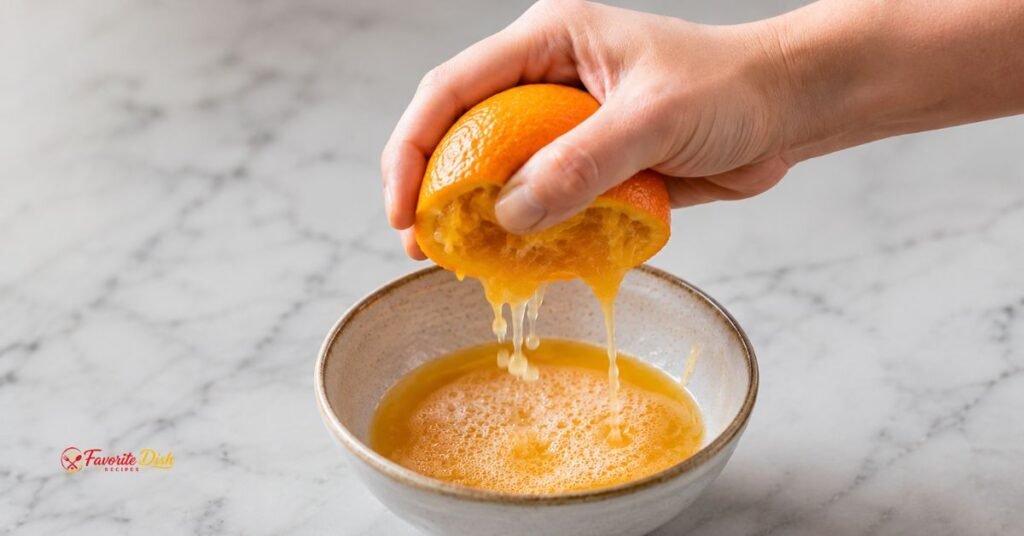
2. Halve and juice the oranges: Cut all navel and Valencia oranges in half around the middle, then ream each half firmly over a bowl. Rotate the fruit as you press to pull every last drop.
The juice should foam lightly on top and smell sharp and sweet at once. A dull, flat smell usually means the oranges sat too long since picking.
3. Strain the juice: Pour the collected juice through a fine mesh strainer into your pitcher, pressing the pulp gently with the back of a spoon. Stop pressing once the liquid slows to a drip, not a stream.
Pressing pulp too hard forces bitter pith oil into the batch. When that happens, a scant extra pinch of sugar helps mask the bitterness on the next pour.
4. Balance the batch: Stir in the filtered water, reserved zest, salt, and optional sugar or citric acid. Taste with a small spoon before adding the full amount of either.
5. Chill fast: Set the pitcher inside a larger bowl filled with ice and a splash of cold water. Stir occasionally for 15 to 20 minutes, until the juice drops close to 38°F.
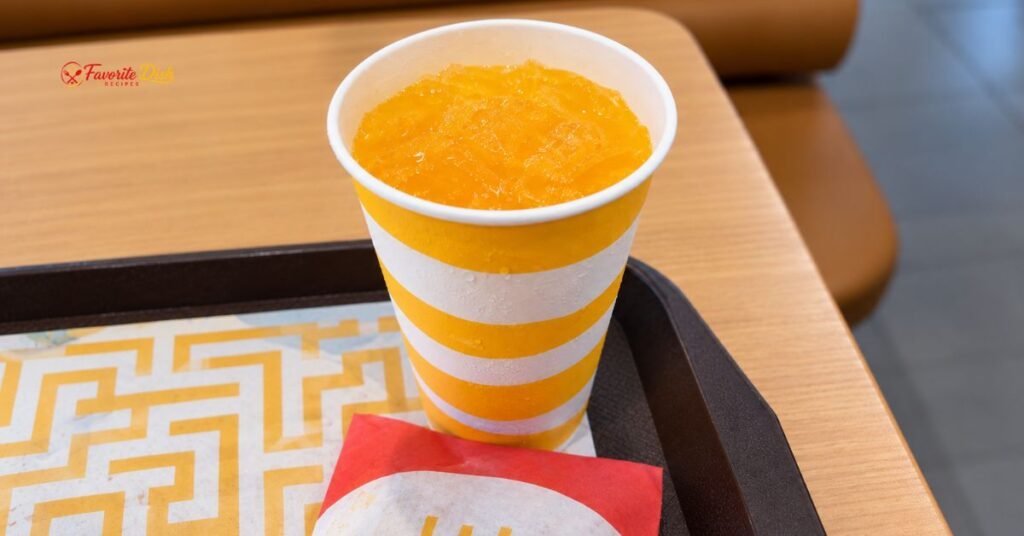
6. Serve over ice: Fill a glass with crushed ice and pour the chilled juice over the top. Give the pitcher a quick stir first, since settled zest and fine pulp sink fast.
Chef’s Tips for Perfect Copycat Orange Juice
Bitter aftertaste: usually comes from pressing pulp too hard during straining. Ease up on the spoon and let the juice drip through on its own.
Juice separates fast in the pitcher: natural pulp settling, not a spoiled batch. Stir with a long spoon right before pouring each glass.
Batch tastes too sour: a Valencia-heavy mix skews tart. Add a scant extra half teaspoon of sugar and stir well before tasting again.
Foam sits on top after juicing: comes from fast, aggressive reaming. Let the pitcher rest uncovered for 5 minutes before chilling.
Juice tastes watery by the second day: melted ice diluted the batch. Serve fresh juice over ice instead of storing it already iced.
Strainer clogs mid-pour: the mesh is too fine for heavy pulp. Swap in a medium strainer or a double layer of cheesecloth.
How I Customize This Copycat Orange Juice
Orange-Pineapple: Stir in a half cup of fresh pineapple juice after straining. It adds a tropical edge that works well next to breakfast tacos.
Blood Orange Swap: Replace half the navel oranges with blood oranges for a deep red color and a faint berry note. Good for a weekend brunch table.
Ginger Kick: Grate in a teaspoon of fresh ginger during the balancing step, then strain it back out before chilling. It leaves a warm, spicy background note on cold mornings.
Orange Creamsicle Float: Drop a small scoop of vanilla ice cream into a full glass right before serving. It turns the juice into a quick dessert-style pour.
Sparkling Version: Cut the finished juice fifty-fifty with chilled club soda. Lighter and fizzy, it pairs well with anything heavily spiced.
What I Serve With This Copycat Orange Juice
Buttery hash browns cut through the sweetness of this juice better than almost anything else on a breakfast plate. The salt and grease balance the citrus in a way plain toast doesn’t.
A toasted English muffin with egg and cheddar makes a solid pairing too. The acidity in the juice cuts through the richness of melted cheese.
Plain Greek yogurt with berries works for a lighter spread. The tang in the yogurt lines up with the citrus instead of competing against it.
Put all three on one table alongside a small pitcher of this juice and you’ve got a full weekend breakfast spread, no extra dishes needed beyond a skillet and a strainer.
How I Store This Copycat Orange Juice
Pour leftover juice into an airtight glass jar or a pitcher with a tight lid. It holds well in the fridge for 3 to 4 days before the flavor starts to flatten out.
Pulp and zest settle to the bottom within a few hours. Give the jar a firm shake or a stir with a long spoon before pouring each glass.
Skip storing it in an uncovered metal container for more than a day or two, since citrus acid can pick up a metallic edge from the surface over time.
Copycat Orange Juice Recipe FAQs
1. Can I use bottled orange juice instead of fresh?
Yes, though the texture won’t match as closely. Use a not-from-concentrate bottled juice and skip the added water in the ingredient list.
2. Do I need an electric juicer for this?
No. A basic hand reamer works fine and gives more control over how much pulp ends up in the strainer.
3. Why does my juice taste bitter after straining?
Pressing pulp too hard during straining pushes bitter pith oil into the batch. Ease up on pressure and let gravity do most of the work.
4. How long does this juice last in the fridge?
About 3 to 4 days in a sealed container. Flavor and vitamin C both drop off noticeably after that window closes.
5. Can I freeze this recipe?
Yes, in an airtight container with room left at the top for expansion. Thaw it in the fridge overnight and stir well before drinking.
6. Can I make this without added sugar?
Yes, especially with sweet, in-season navel oranges. Drop the sugar and citric acid entirely and taste before deciding on a small honey addition instead.
7. Why is my juice foamy right after juicing?
Fast, hard reaming whips air into the juice. Let the pitcher rest uncovered for a few minutes before chilling to let the foam settle.
8. What’s the best orange for this recipe?
Navel oranges for sweetness and body, Valencia for brightness. A blend of both gets closer to the balanced flavor McDonald’s serves than either fruit alone.
McDonald's Minute Maid Orange Juice Recipe

McDonald's Minute Maid Orange Juice Recipe made from scratch with navel and Valencia oranges for a smooth, refreshing drive-thru-style drink in 40 minutes.
Ingredients
- 3 pounds navel oranges (about 8 medium)
- 1 pound Valencia oranges (about 3 medium)
- 2 tablespoons filtered water
- Zest of 1 navel orange
- 1 scant tablespoon granulated sugar, optional
- 1 small pinch fine sea salt
- ¼ teaspoon citric acid, optional
- 2 cups crushed ice, for serving
Instructions
- Before cutting any fruit, grate the zest from one navel orange onto a small plate. Set it aside near the pitcher so it doesn’t get lost during juicing.
- Cut all navel and Valencia oranges in half around the middle, then ream each half firmly over a bowl. Rotate the fruit as you press to pull every last drop.
- The juice should foam lightly on top and smell sharp and sweet at once. A dull, flat smell usually means the oranges sat too long since picking.
- Pour the collected juice through a fine mesh strainer into your pitcher, pressing the pulp gently with the back of a spoon. Stop pressing once the liquid slows to a drip, not a stream.
- Pressing pulp too hard forces bitter pith oil into the batch. When that happens, a scant extra pinch of sugar helps mask the bitterness on the next pour.
- Stir in the filtered water, reserved zest, salt, and optional sugar or citric acid. Taste with a small spoon before adding the full amount of either.
- Set the pitcher inside a larger bowl filled with ice and a splash of cold water. Stir occasionally for 15 to 20 minutes, until the juice drops close to 38°F.
- Fill a glass with crushed ice and pour the chilled juice over the top. Give the pitcher a quick stir first, since the settled zest and fine pulp sink fast.
Notes
Pulp and zest settle quickly, so stir the pitcher right before every pour. Store leftovers in a sealed container and use within 3 to 4 days.
Nutrition Information:
Yield:
4Serving Size:
1Amount Per Serving: Calories: 110
Getting a homemade cup close to that McDonald’s-style balance comes down to the blend of oranges and how gently the batch gets strained, not any single trick.